
Our AI enhances and isolates the source photo before generating the 3D model.
Don't see exactly what you need?
Generate your own 3D model from a photo
Upload any furniture photo and FurniMesh's AI returns a textured 3D model in under 60 seconds — same chaise lounge style, your exact piece. No 3D skills required. Outputs native GLB, OBJ, SKP, and BLEND.
3 free generations · no credit card · 45–60 seconds per model
Already modeling in 3D? Render your 3D model →
Related chaise lounge 3D models
0 likes, 0 saves
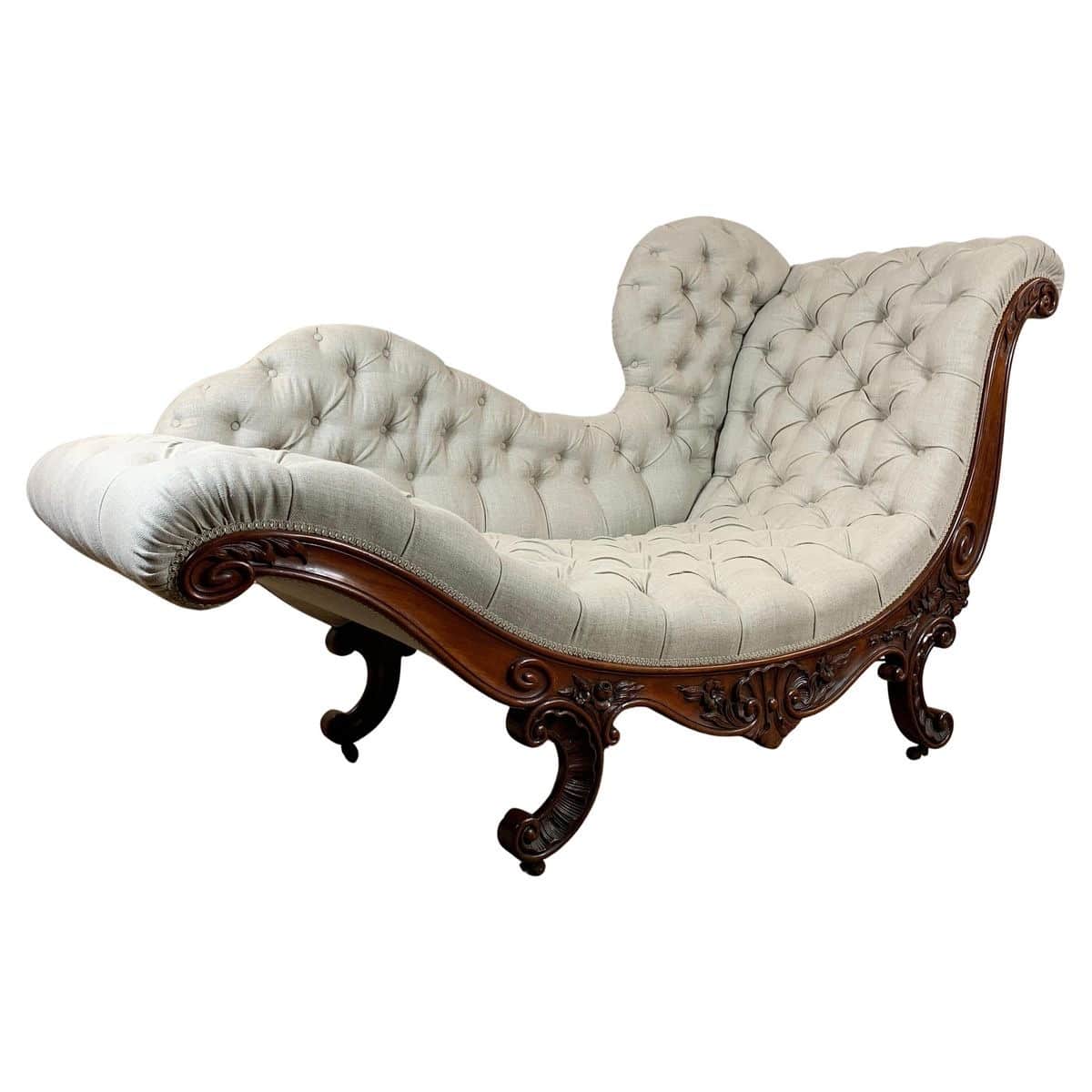
An ornate chaise lounge featuring a dark, elaborately carved wooden fr…
TexturesAI-enhanced
GLBOBJSKPBLEND
2
0 likes, 0 saves
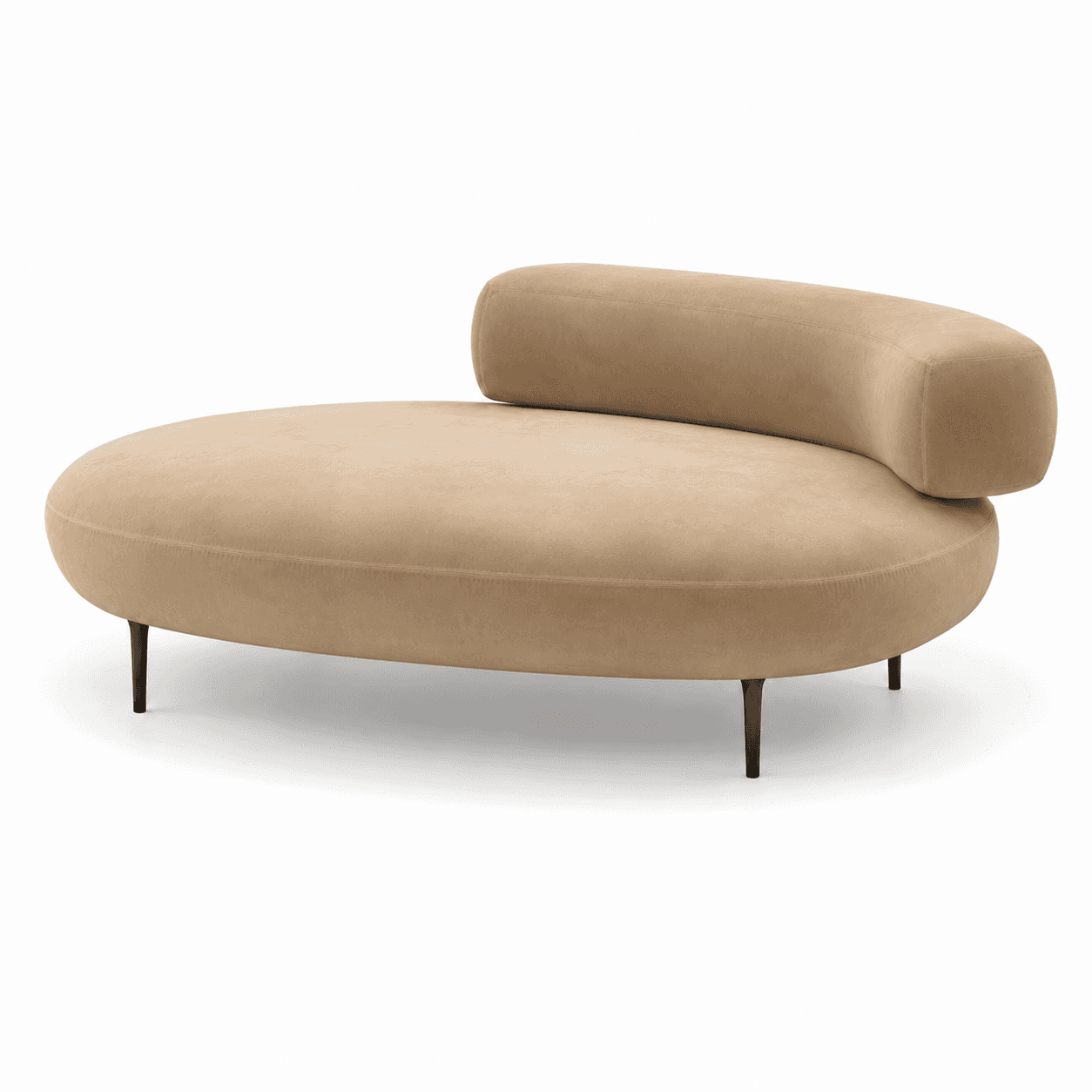
A contemporary chaise lounge featuring a distinctive curvilinear, orga…
Textures
GLBOBJSKPBLEND
14
0 likes, 0 saves
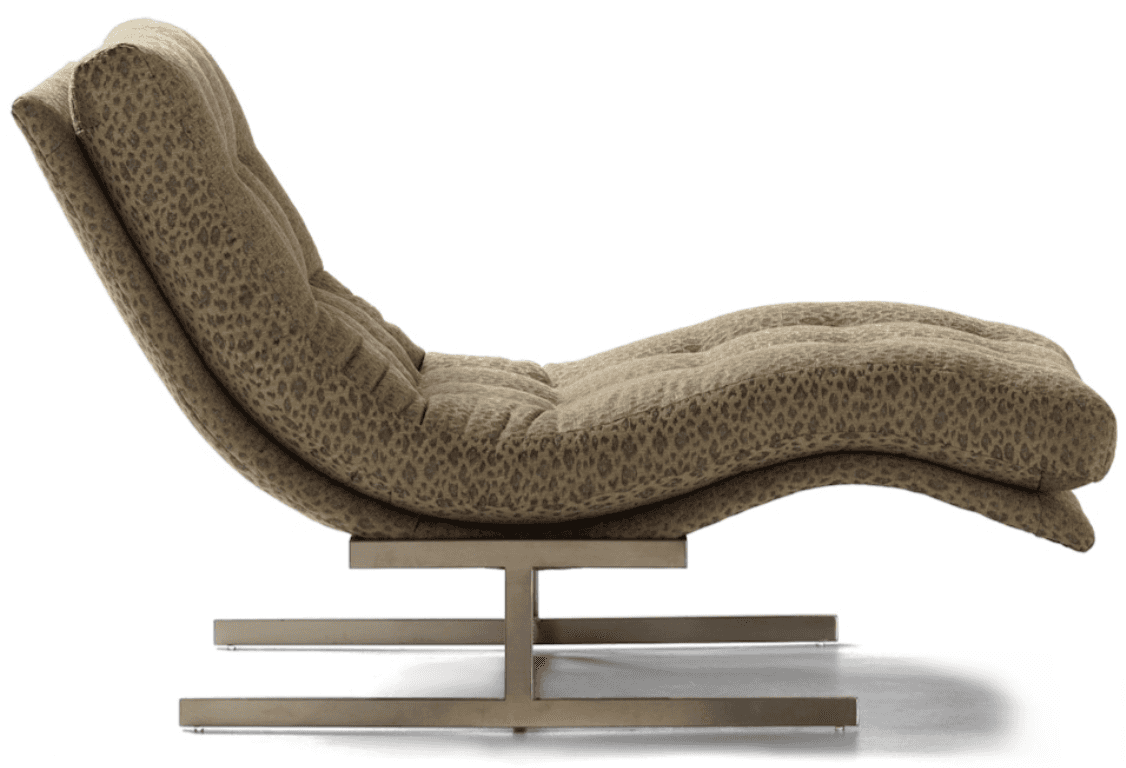
A modern chaise lounge with a curved, upholstered body supported by a…
Textures
GLBOBJSKPBLEND
30
0 likes, 0 saves
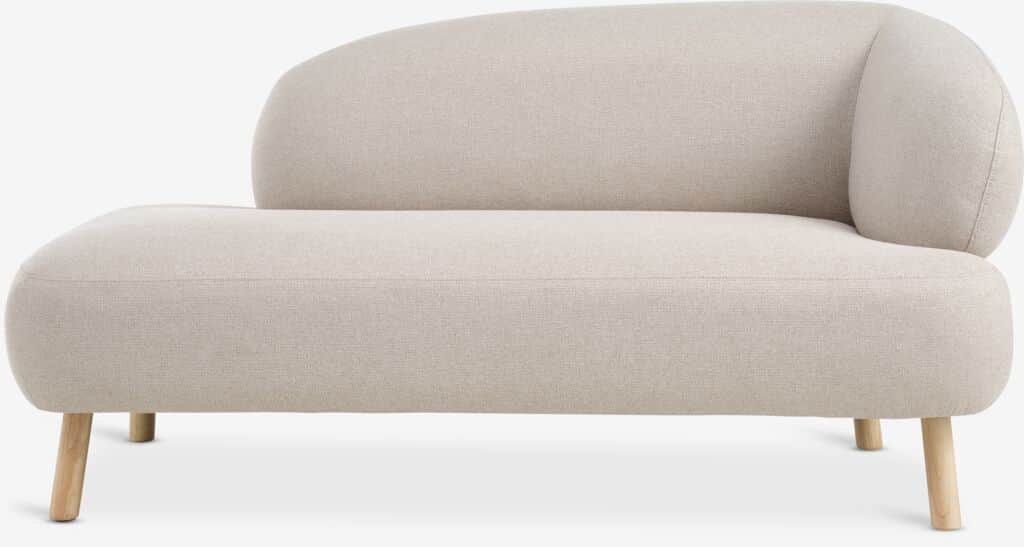
A modern upholstered chaise lounge with a single integrated seat and a…
Textures
GLBOBJSKPBLEND
17
0 likes, 0 saves
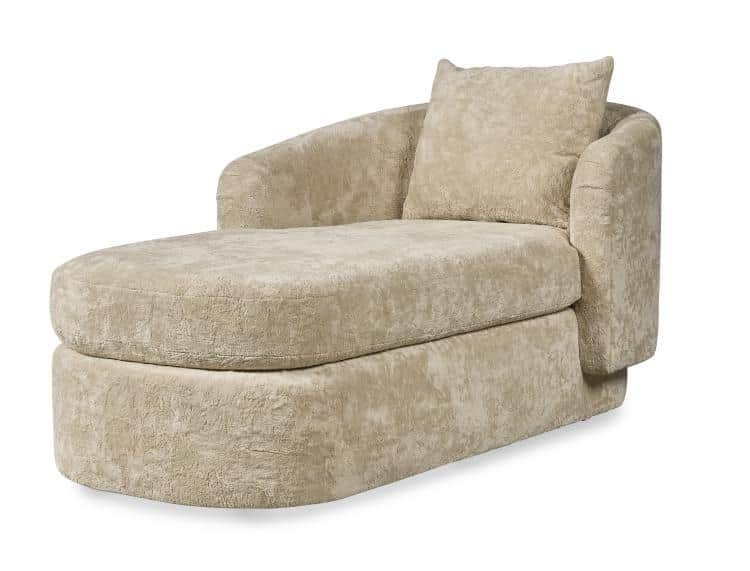
A contemporary chaise lounge upholstered in a light beige, textured fa…
TexturesAI-enhanced
GLBOBJSKPBLEND
32
0 likes, 0 saves
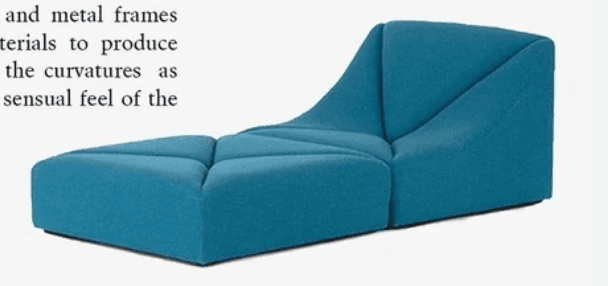
A modern chaise lounge featuring a segmented, geometric design upholst…
Textures
GLBOBJSKPBLEND
0 likes, 0 saves
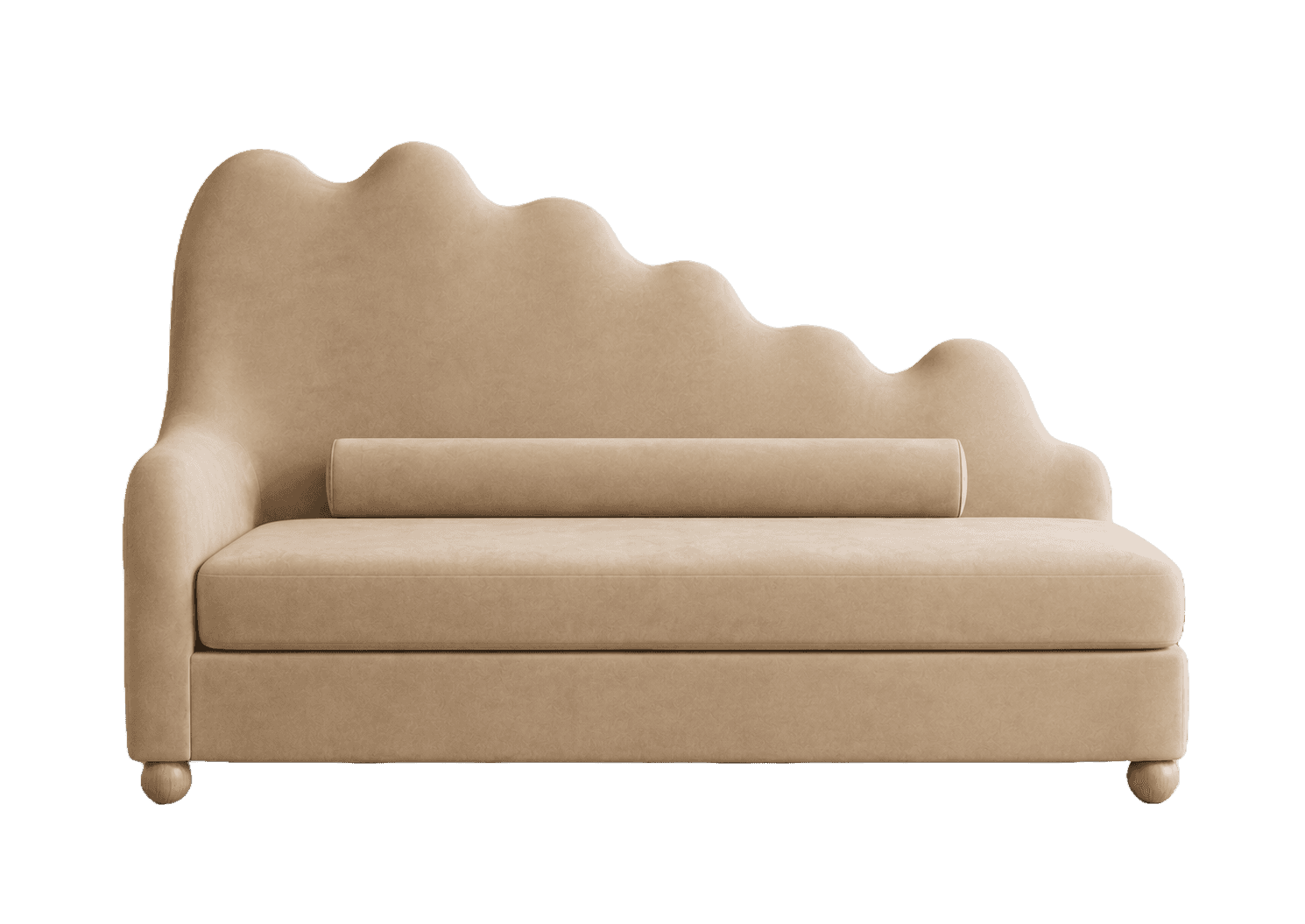
A modern upholstered chaise lounge featuring a distinctive wavy-shaped…
Textures
GLBOBJSKPBLEND
7
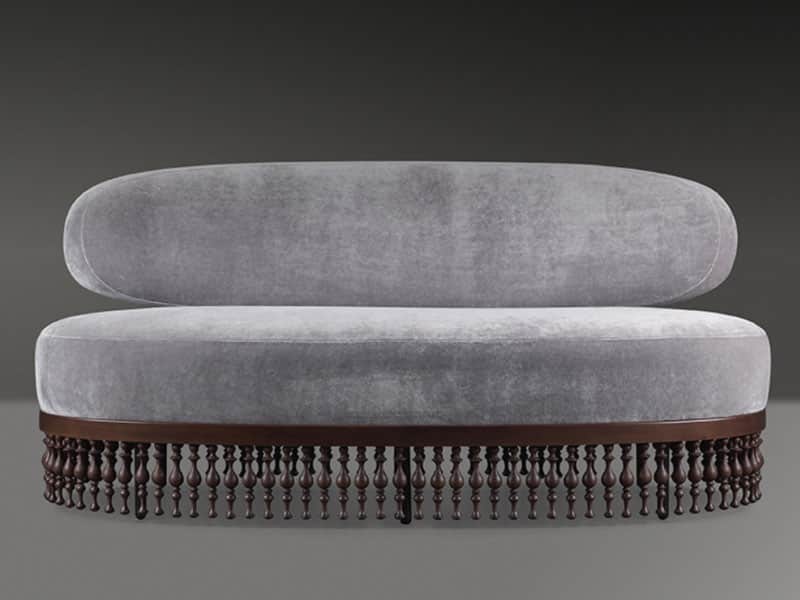
0 likes, 0 saves
An elongated, asymmetrical chaise lounge upholstered in light grey vel…
TexturesAI-enhanced
GLBOBJSKPBLEND
11
Frequently asked questions
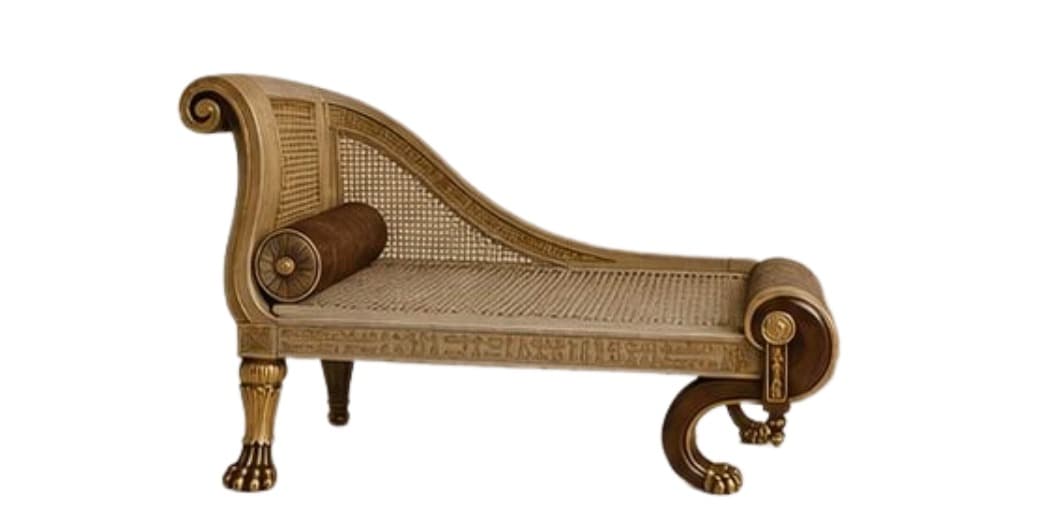
- What era does the Egyptian Revival style typically represent?
- The Egyptian Revival style became popular primarily during the early to mid-19th century, particularly after Napoleon's campaigns in Egypt and the subsequent surge of interest in ancient Egyptian culture and art.
- Is the caning comfortable for extended use?
- Caning provides a firm, breathable surface that can be comfortable for lounging. For extended use, additional cushions or throws are often used to enhance comfort, though the inherent firmness is part of its traditional appeal.
- Are the hieroglyphics historically accurate?
- While inspired by ancient Egyptian writing, hieroglyphics on revival furniture are often decorative interpretations rather than historically accurate transcriptions. Their primary purpose is aesthetic and thematic.