
Our AI enhances and isolates the source photo before generating the 3D model.
Don't see exactly what you need?
Generate your own 3D model from a photo
Upload any furniture photo and FurniMesh's AI returns a textured 3D model in a few minutes — same desk style, your exact piece. No 3D skills required. Outputs native GLB, OBJ, SKP, and BLEND.
10 free model generations with a free account · no credit card · downloading your own models needs a paid plan · a few minutes per model
Already modeling in 3D? Render your 3D scene with AI →
Related desk 3D models
0 likes, 0 saves
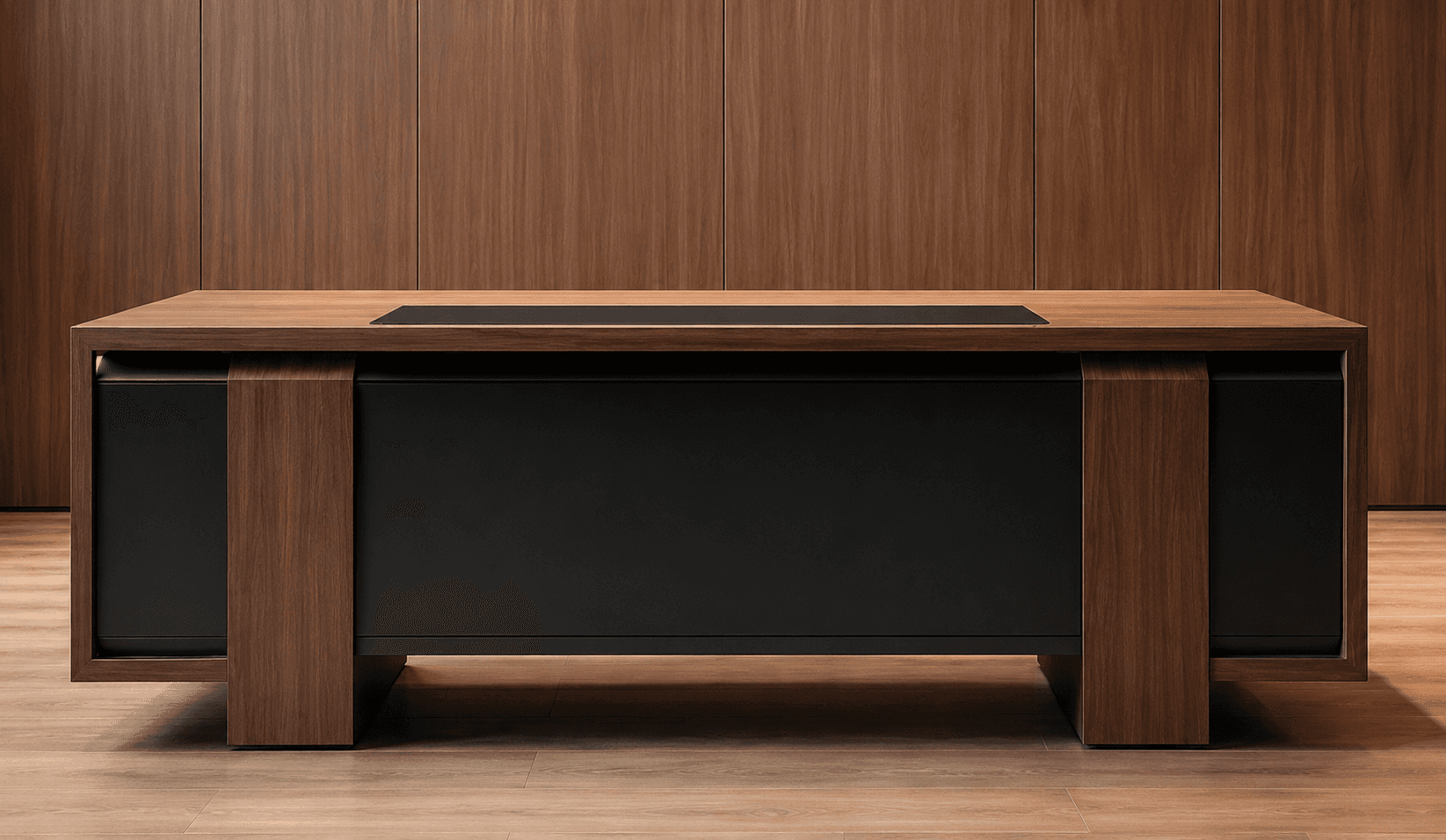
A modern executive desk with a substantial rectangular form, featuring…
TexturesAI-enhanced
GLBOBJSKPBLEND
41
0 likes, 2 saves
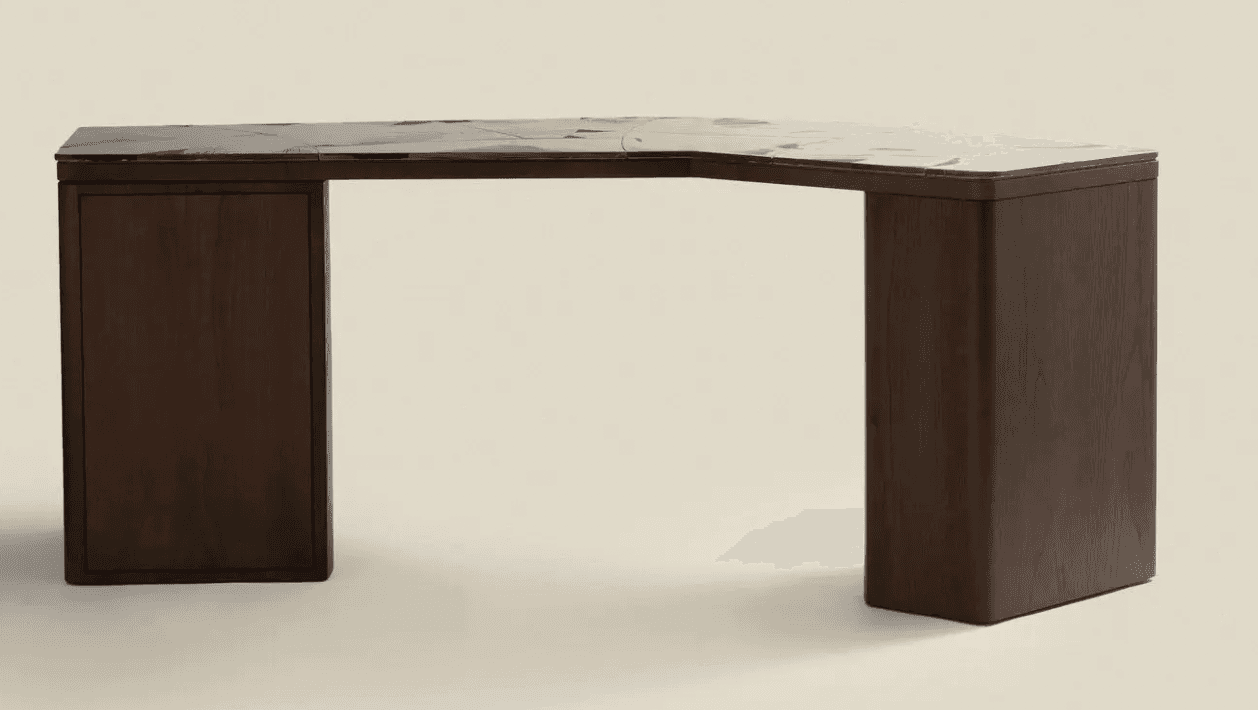
A dark wood corner desk with a marble-patterned top. The desk has a di…
Textures
GLBOBJSKPBLEND
611052
0 likes, 1 saves
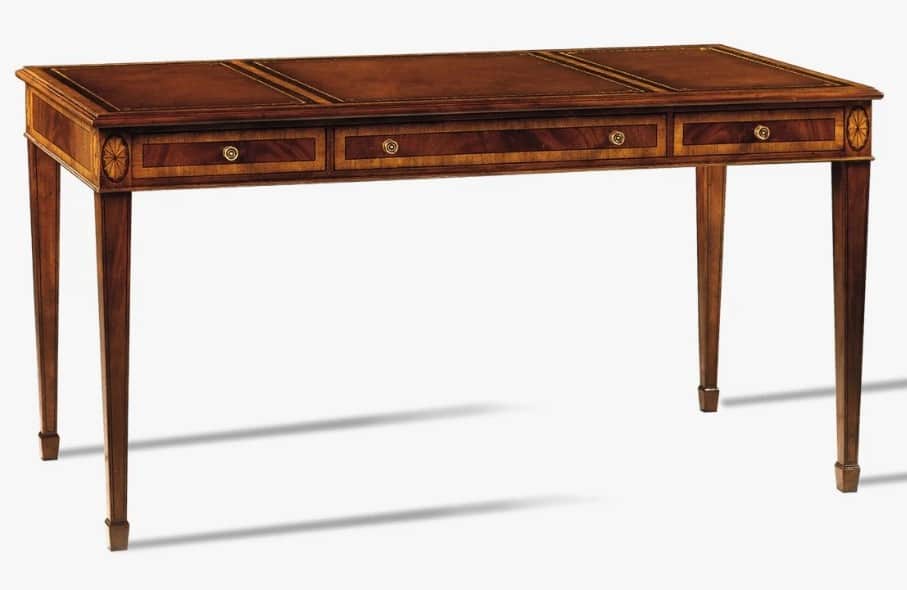
A long, narrow neoclassical writing desk featuring a rich wood finish,…
TexturesAI-enhanced
GLBOBJSKPBLEND
281
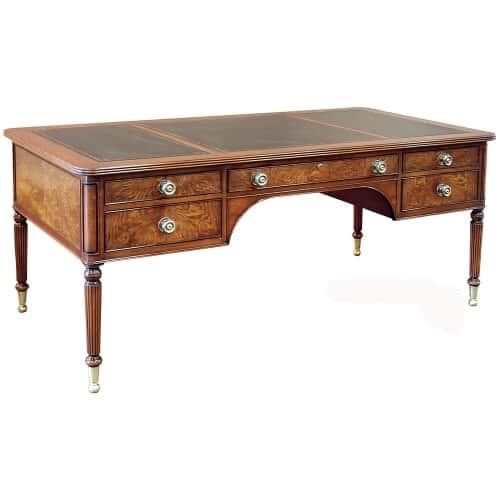
0 likes, 0 saves
A traditional executive desk crafted from rich, reddish-brown wood, li…
Textures
GLBOBJSKPBLEND
22
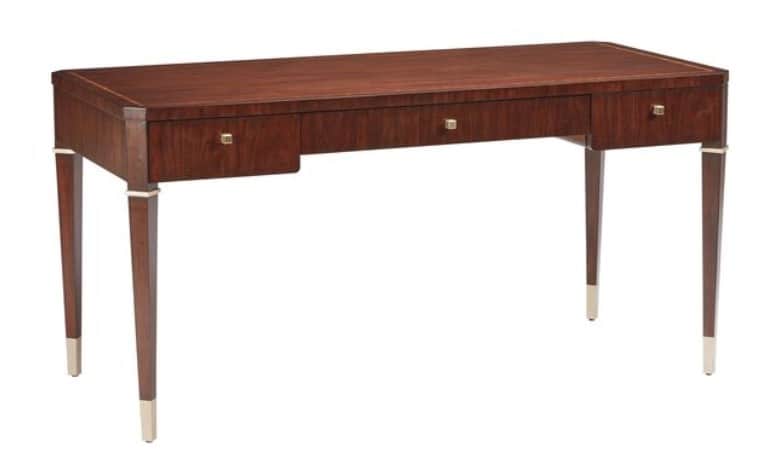
0 likes, 0 saves
A sophisticated writing desk constructed from dark-stained wood, featu…
Textures
GLBOBJSKPBLEND
13
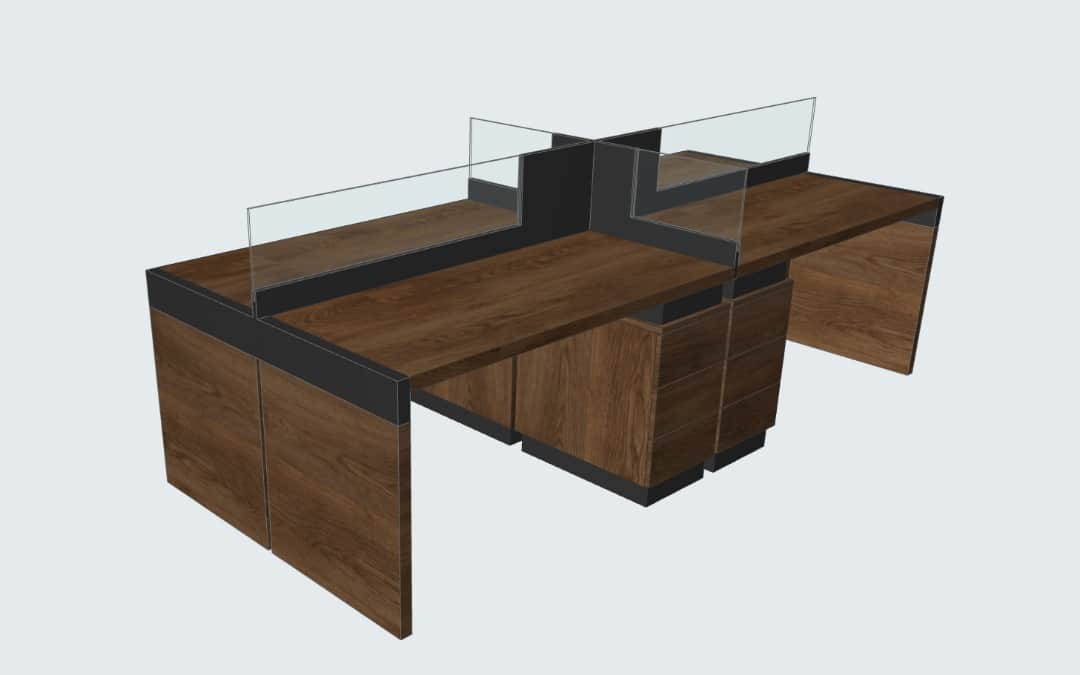
0 likes, 0 saves
A modern four-person modular office workstation featuring individual d…
TexturesAI-enhanced
GLBOBJSKPBLEND
23
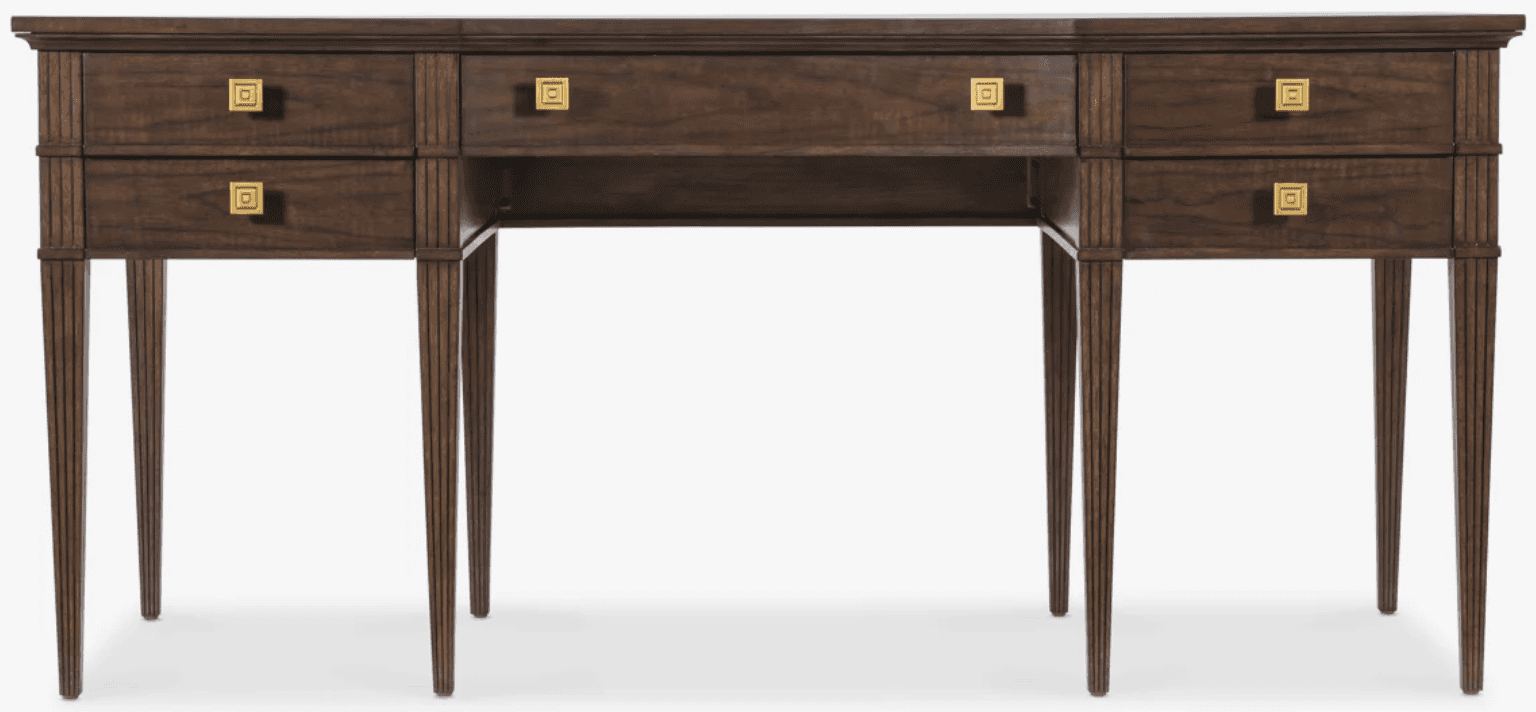
0 likes, 0 saves
A dark brown wooden desk featuring a rectangular top, multiple drawers…
Textures
GLBOBJSKPBLEND
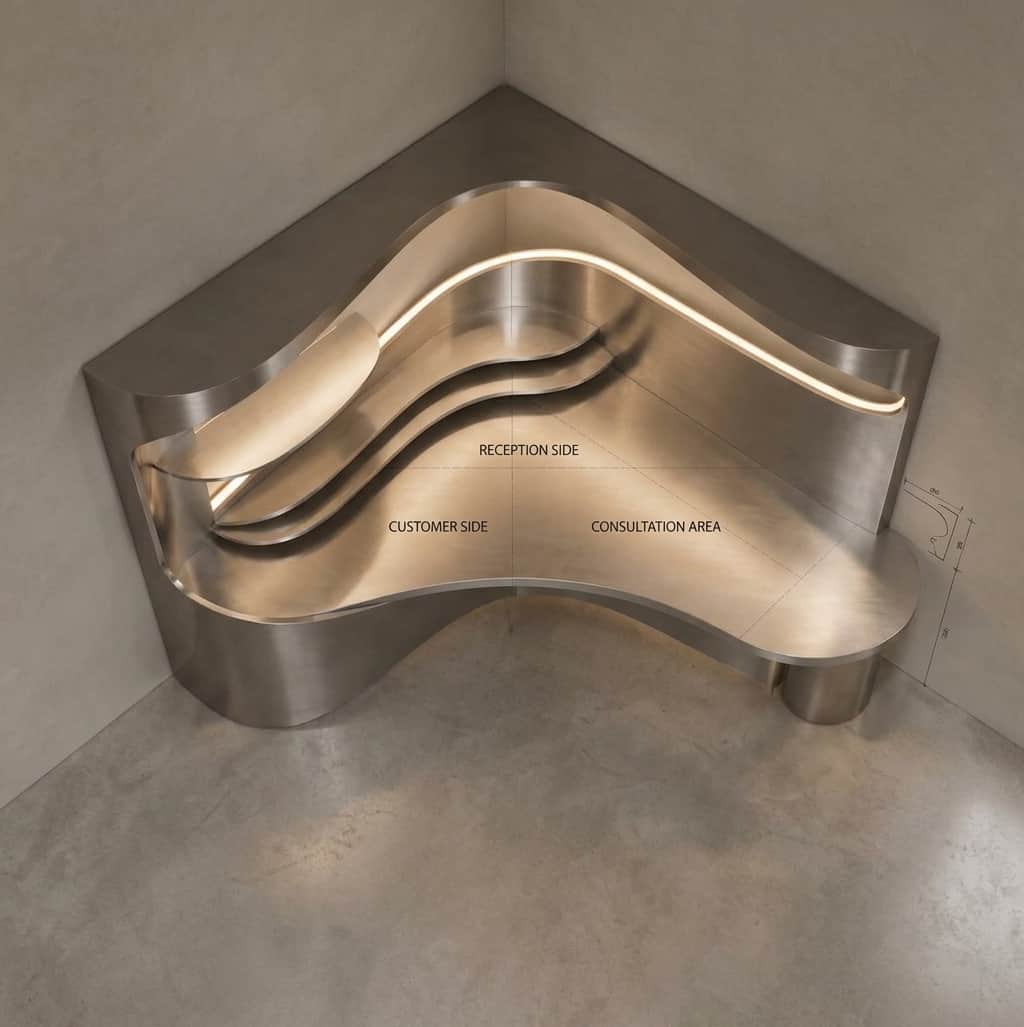
0 likes, 0 saves
A high-angle view of a modern, custom-designed reception desk fitting…
Textures
GLBOBJSKPBLEND
More models by the same creator
Other public 3D models generated by the same FurniMesh user.
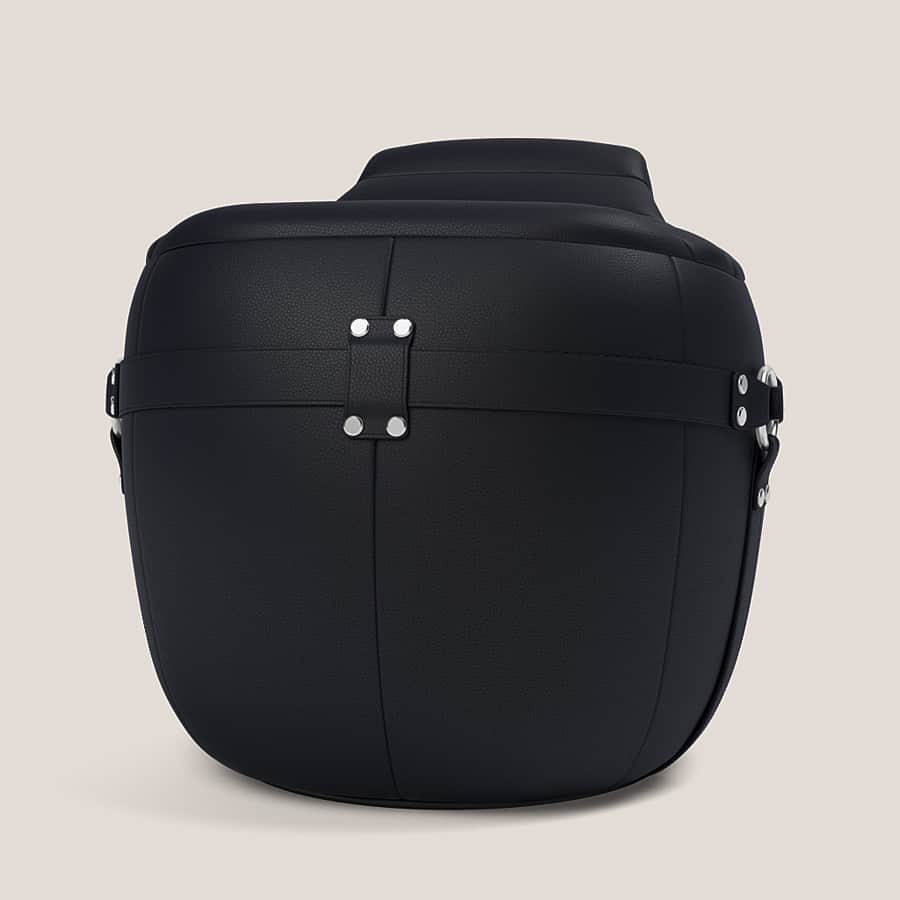
0 likes, 0 saves
A barrel-shaped upholstered furniture piece, functioning as an ottoman…
Textures
GLBOBJSKPBLEND
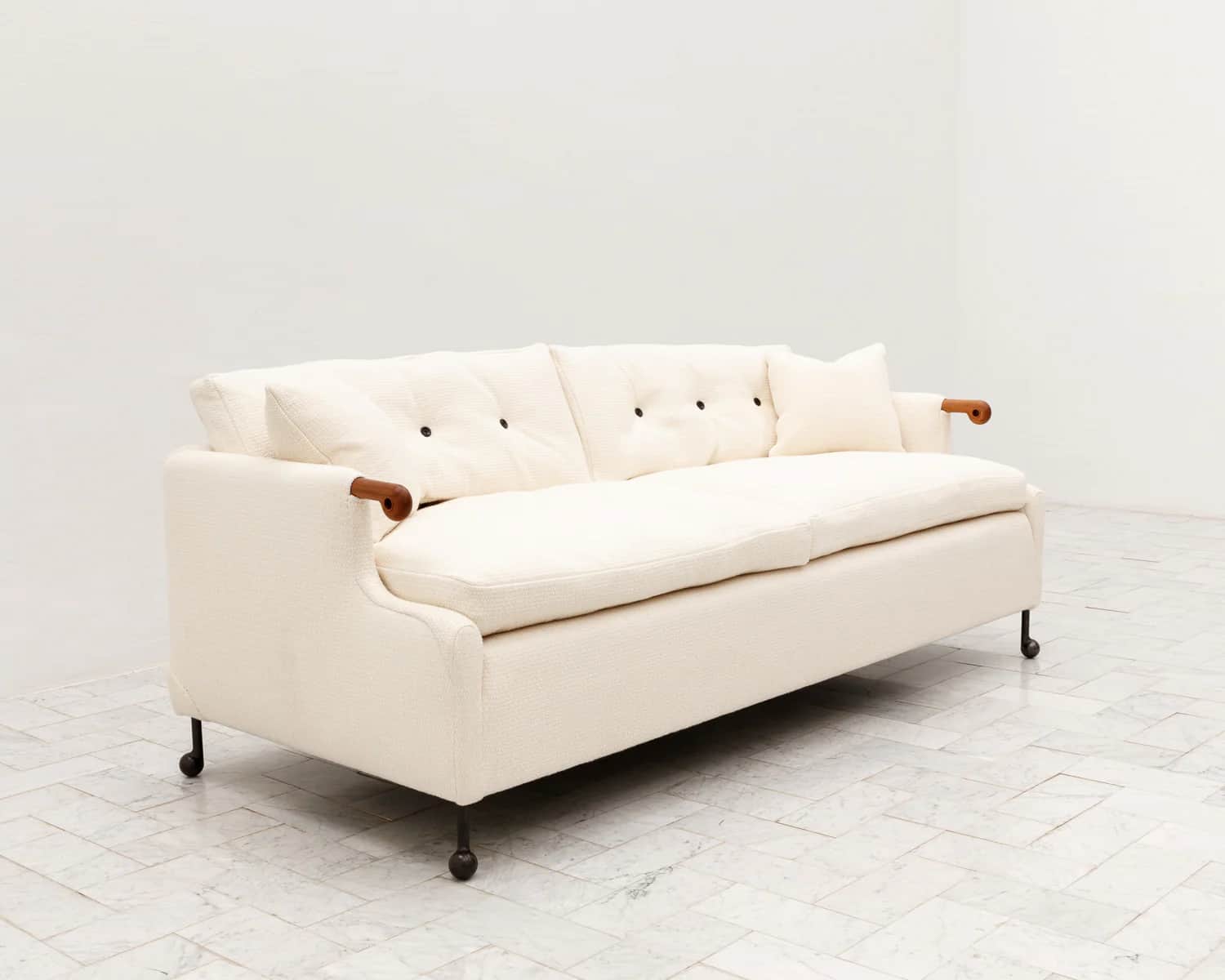
0 likes, 0 saves
A three-seater sofa featuring a cream-colored, textured fabric upholst…
Textures
GLBOBJSKPBLEND

0 likes, 0 saves
A two-seater sofa upholstered in light beige fabric, featuring straigh…
TexturesAI-enhanced
GLBOBJSKPBLEND
Frequently asked questions
- What type of wood is typically used for this style of desk?
- Desks of this Mid-Century Modern style are commonly constructed from high-quality hardwoods such as walnut, teak, or rosewood. These woods are favored for their durability, rich grain patterns, and ability to be finished to a warm, inviting luster.
- Does the floating pedestal contain drawers or shelves?
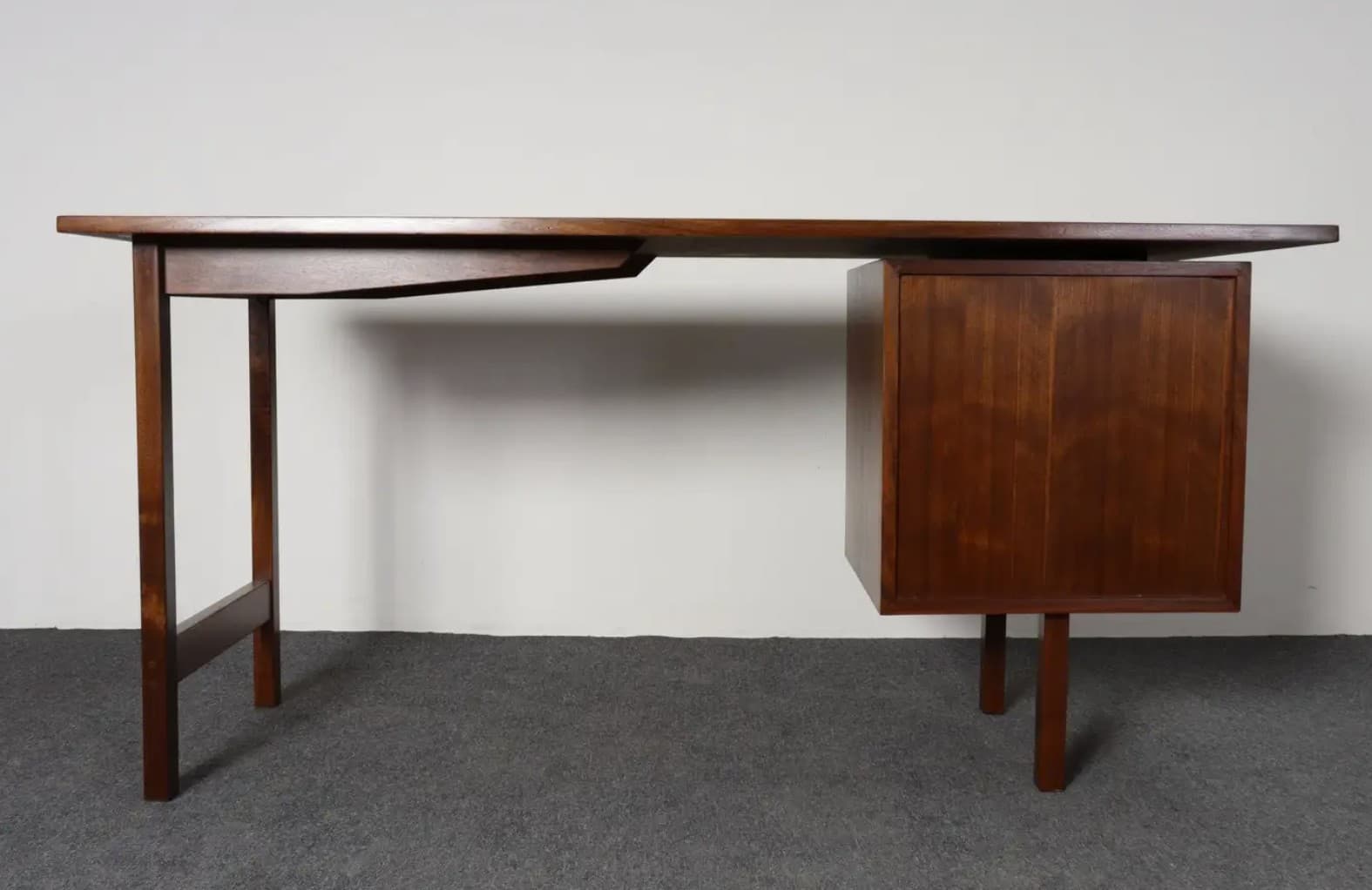
- The floating pedestal typically houses multiple drawers designed for organized storage of office supplies, files, and personal items. Some designs may incorporate a combination of drawers and a small shelf or cabinet compartment behind a door.
- How is the asymmetrical design balanced visually?
- The asymmetrical design is visually balanced by the solid volume of the floating pedestal offsetting the lighter, open structure of the opposing leg side. The broad desktop acts as a connecting element, creating harmony despite the differing support structures on either end.