
Our AI enhances and isolates the source photo before generating the 3D model.
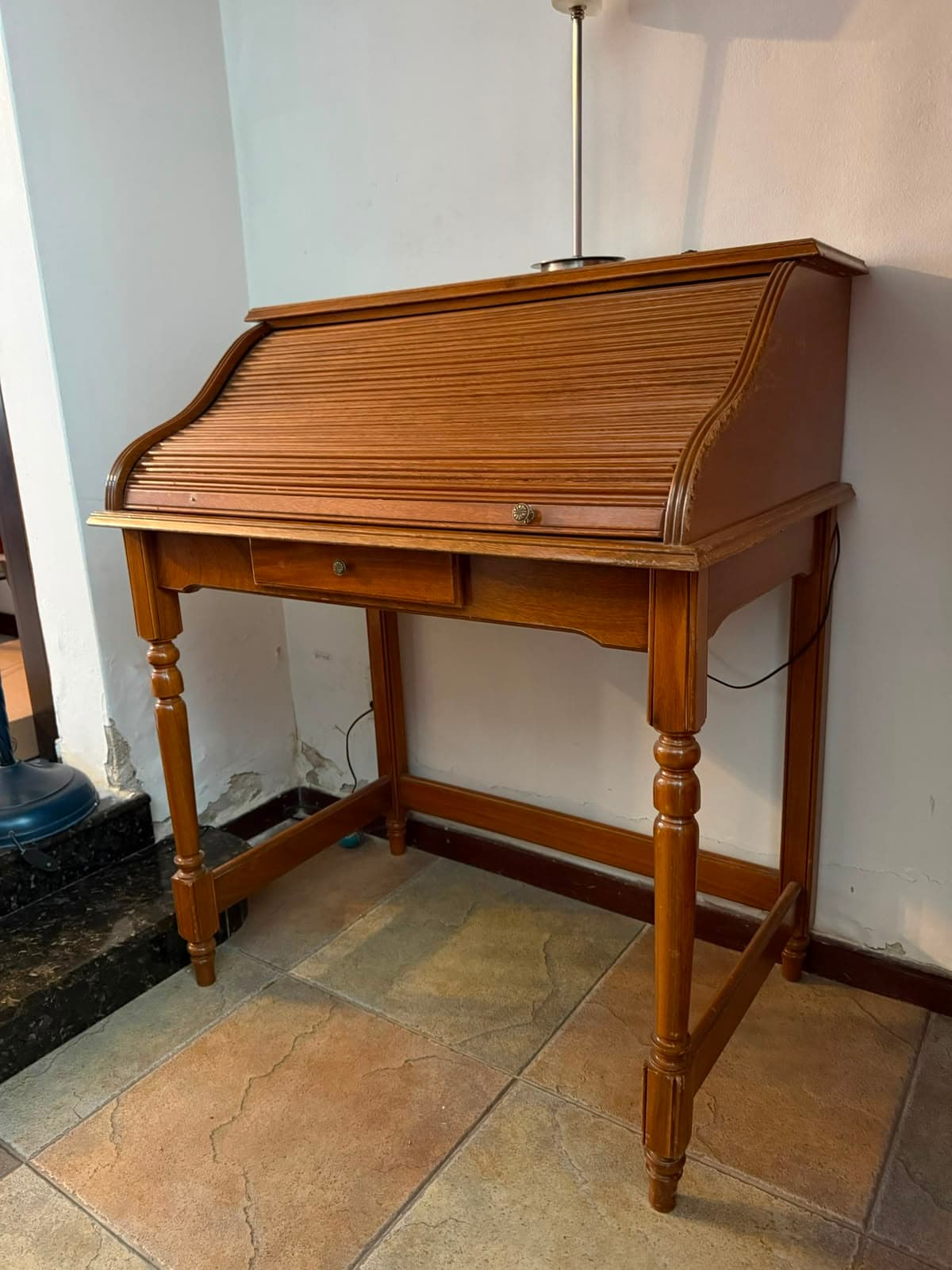
Don't see exactly what you need?
Generate your own 3D model from a photo
Upload any furniture photo and FurniMesh's AI returns a textured 3D model in under 60 seconds — same desk style, your exact piece. No 3D skills required. Outputs native GLB, OBJ, SKP, and BLEND.
3 free generations · no credit card · 45–60 seconds per model
Already modeling in 3D? AI render for SketchUp & Blender →
Related desk 3D models
0 likes, 0 saves
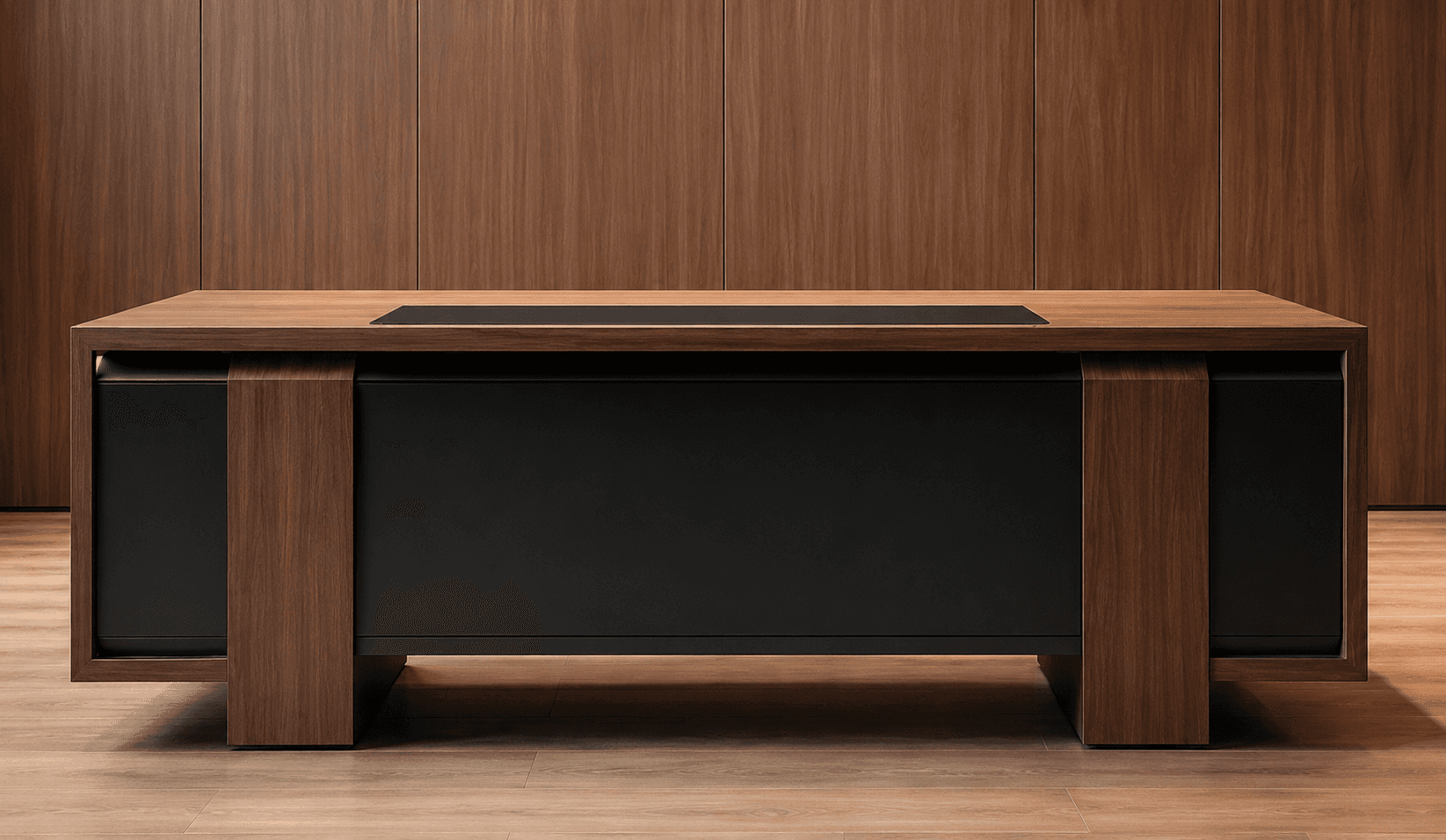
A modern executive desk with a substantial rectangular form, featuring…
TexturesAI-enhanced
GLBOBJSKPBLEND
17
0 likes, 1 saves
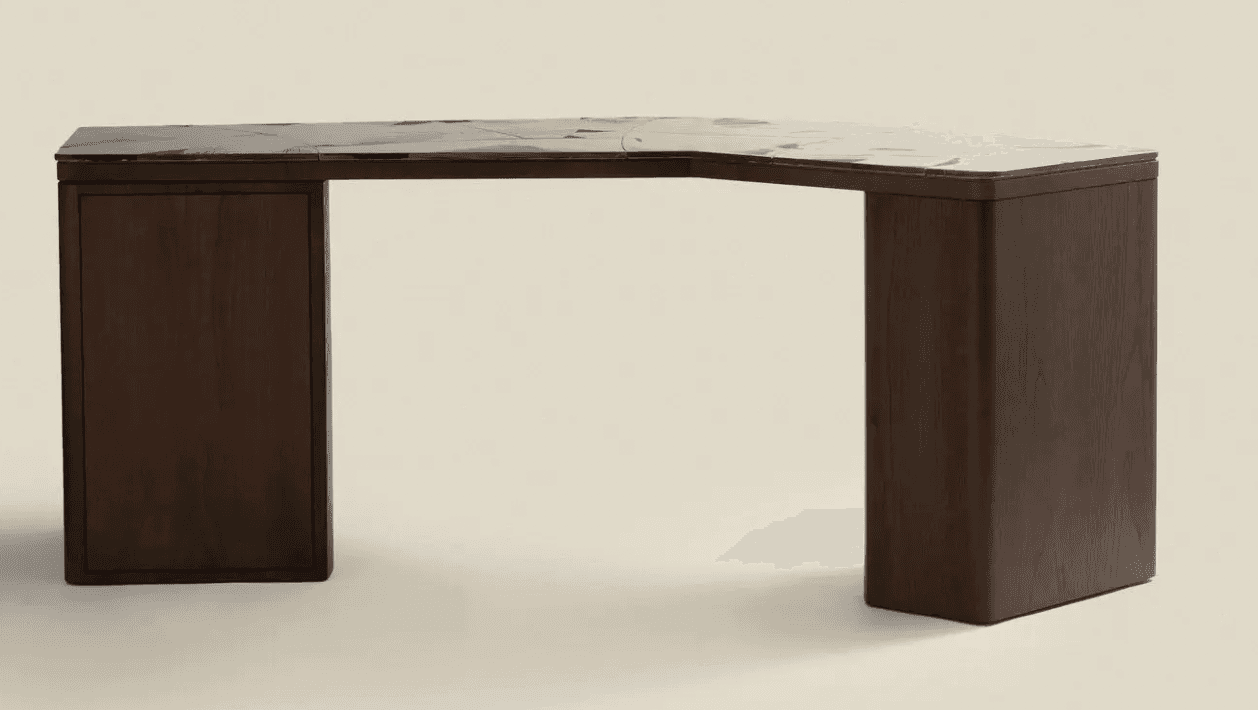
A dark wood corner desk with a marble-patterned top. The desk has a di…
Textures
GLBOBJSKPBLEND
521
0 likes, 0 saves
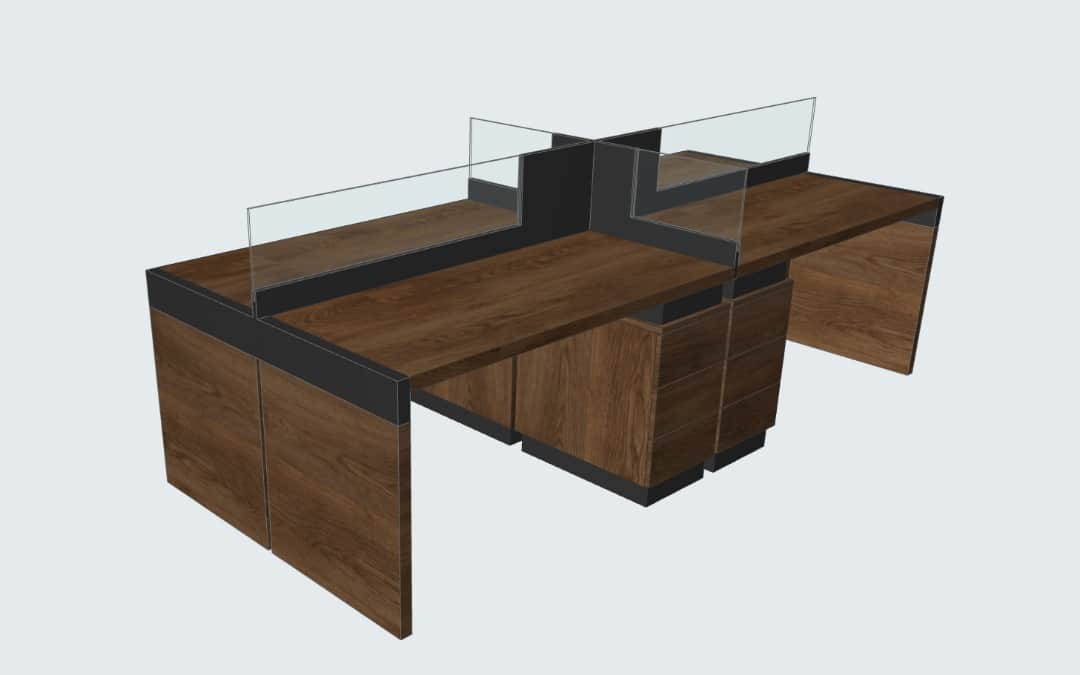
A modern four-person modular office workstation featuring individual d…
TexturesAI-enhanced
GLBOBJSKPBLEND
10
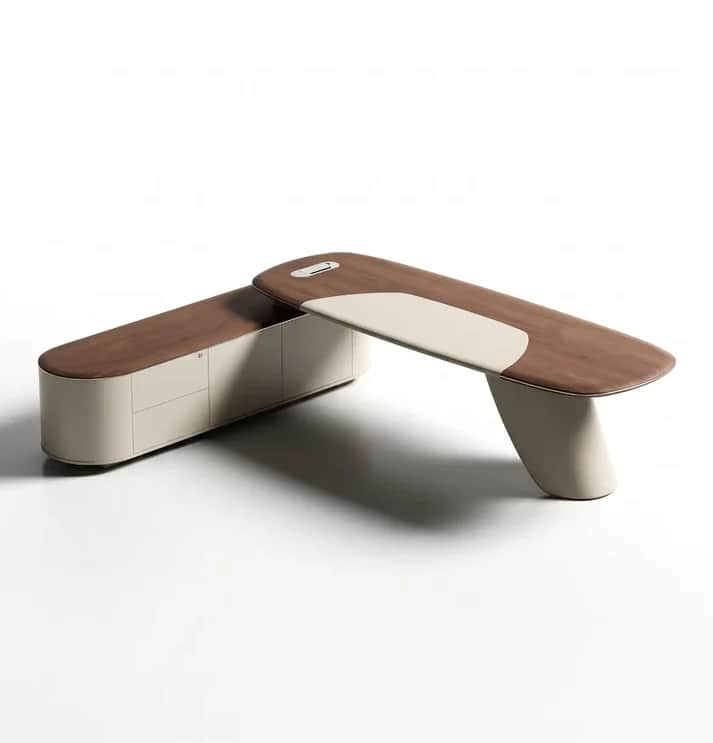
0 likes, 0 saves
A modern executive desk featuring an elongated, asymmetrical wooden to…
Textures
GLBOBJSKPBLEND
2

0 likes, 0 saves
An executive desk featuring an asymmetrical design with a primary work…
Textures
GLBOBJSKPBLEND
6
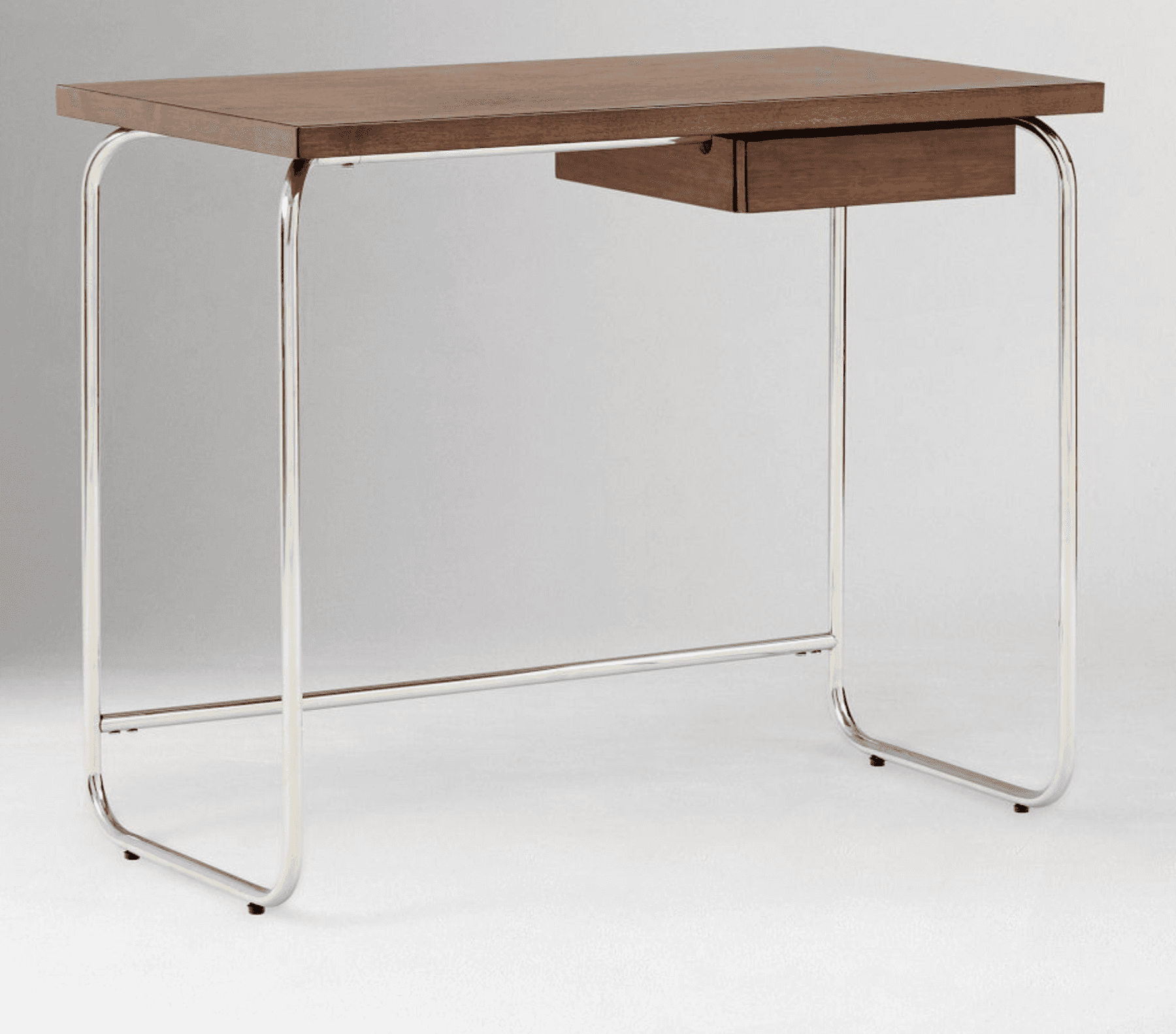
0 likes, 0 saves
A modern desk with a rectangular wooden top and a single drawer. The f…
Textures
GLBOBJSKPBLEND
17
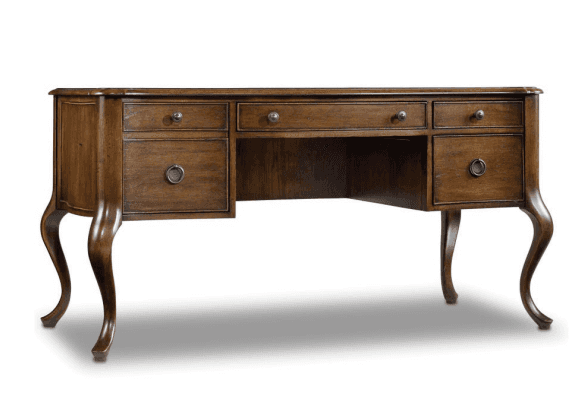
0 likes, 0 saves
A wooden executive desk with a polished finish. It features a rectangu…
Textures
GLBOBJSKPBLEND
14
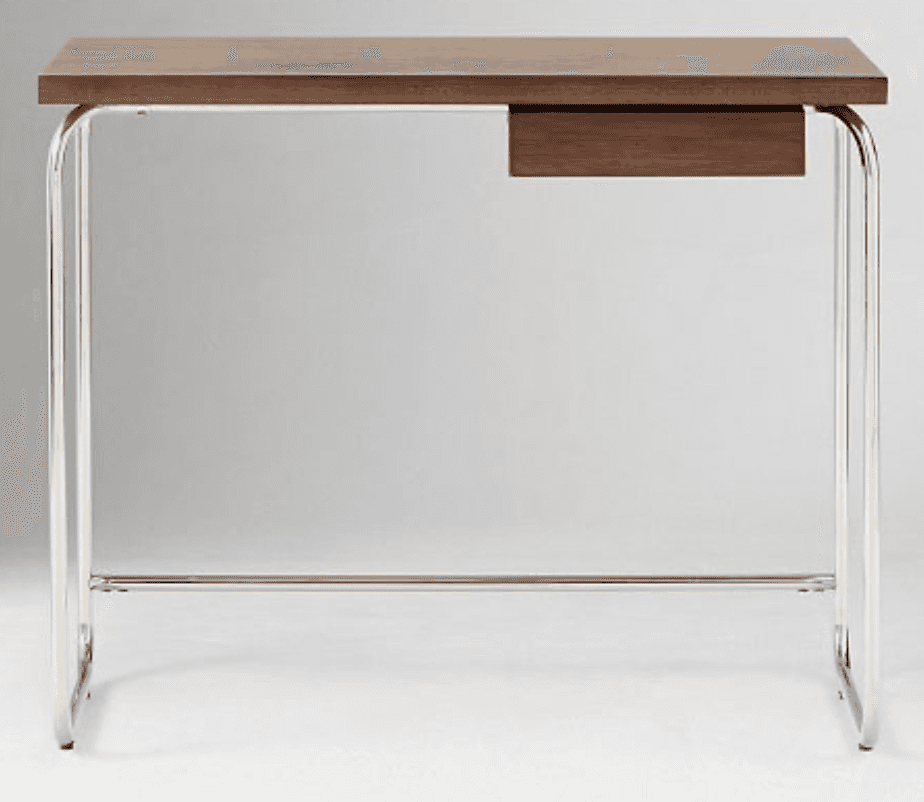
0 likes, 0 saves
A modern desk with a wooden top and a single drawer, supported by a ch…
Textures
GLBOBJSKPBLEND
6
Frequently asked questions
- What is the primary function of a roll-top desk?
- A roll-top desk is designed to provide a secure and concealable workspace. The slatted top slides down to protect papers and equipment from dust and to keep the work area tidy when not in use.
- What type of wood is typically used for this style of desk?
- Historically, roll-top desks were commonly crafted from durable hardwoods such as oak, walnut, or mahogany. The specific wood used can influence the desk's weight, grain pattern, and overall finish.
- Does this desk have storage compartments beyond the visible drawer?
- Yes, behind the roll-top cover, secretary desks typically feature a series of small drawers, cubbies, and pigeonholes designed for organizing papers, pens, and other office supplies. These are not visible in the closed position.