
Our AI enhances and isolates the source photo before generating the 3D model.
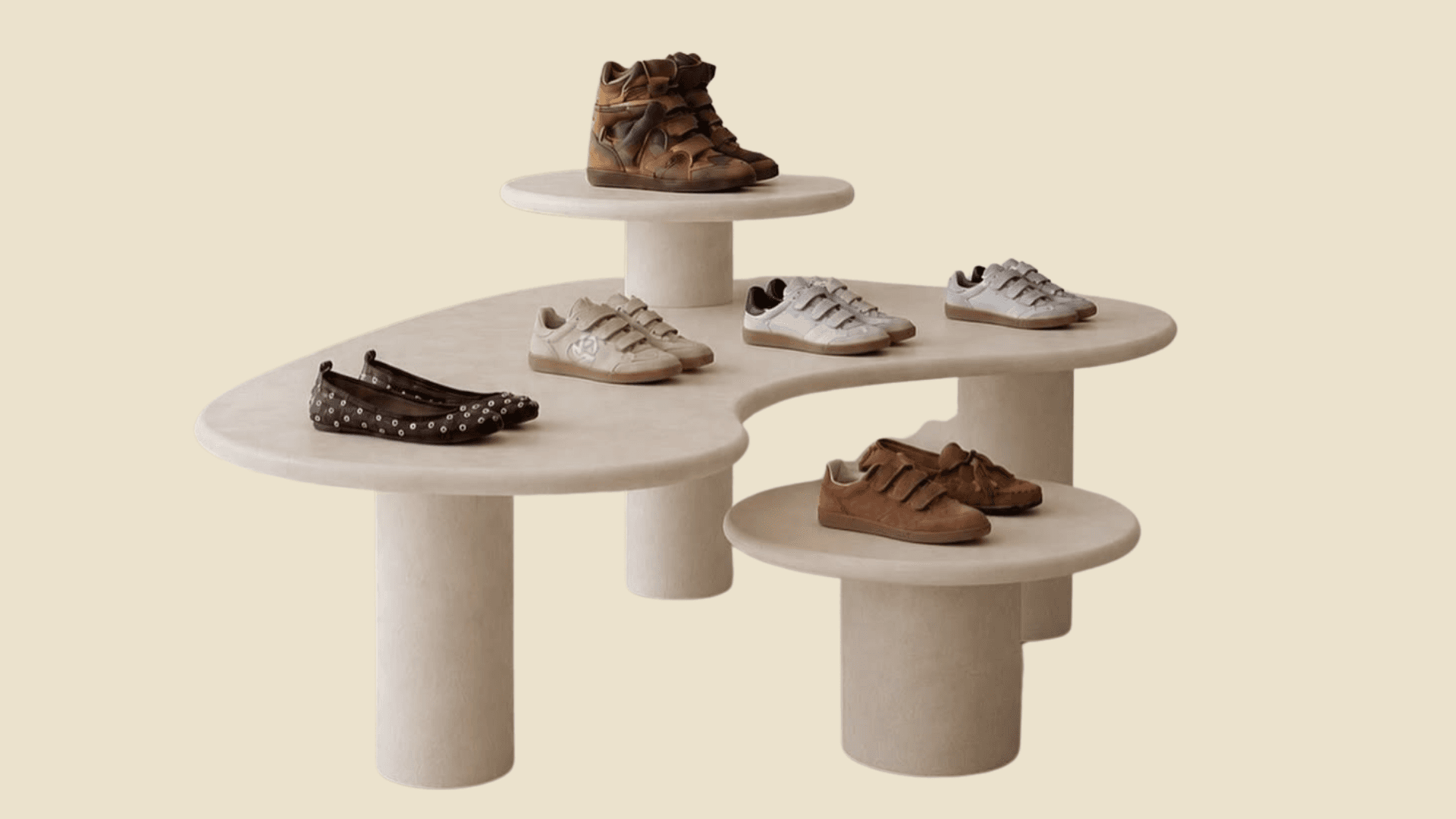
Don't see exactly what you need?
Generate your own 3D model from a photo
Upload any furniture photo and FurniMesh's AI returns a textured 3D model in a few minutes — same coffee table style, your exact piece. No 3D skills required. Outputs native GLB, OBJ, SKP, and BLEND.
10 free model generations with a free account · no credit card · downloading your own models needs a paid plan · a few minutes per model
Already modeling in 3D? Render your 3D model →
Related coffee table 3D models
0 likes, 0 saves
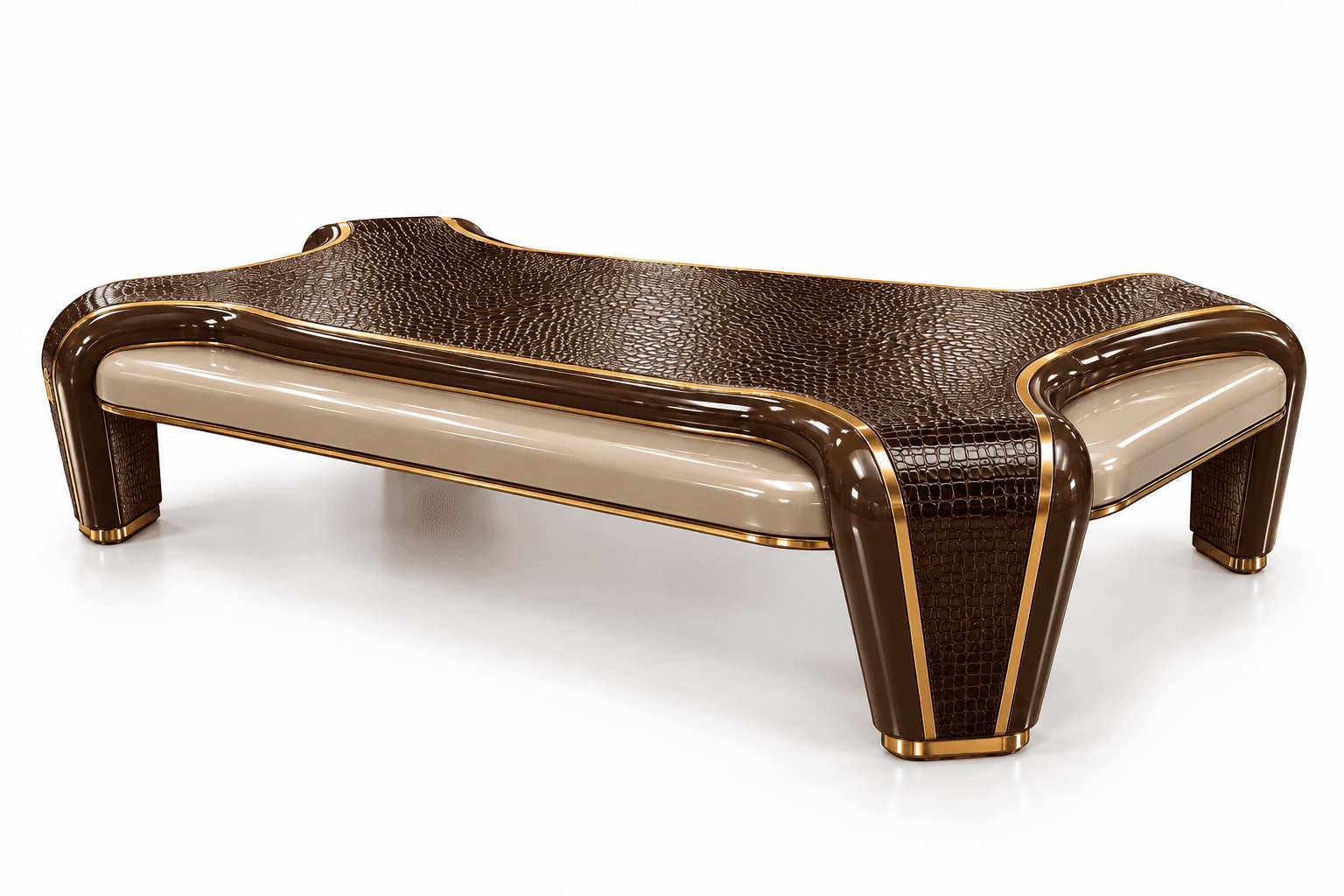
A luxurious Art Deco Revival style coffee table featuring a dark brown…
Textures
GLBOBJSKPBLEND
35
0 likes, 0 saves
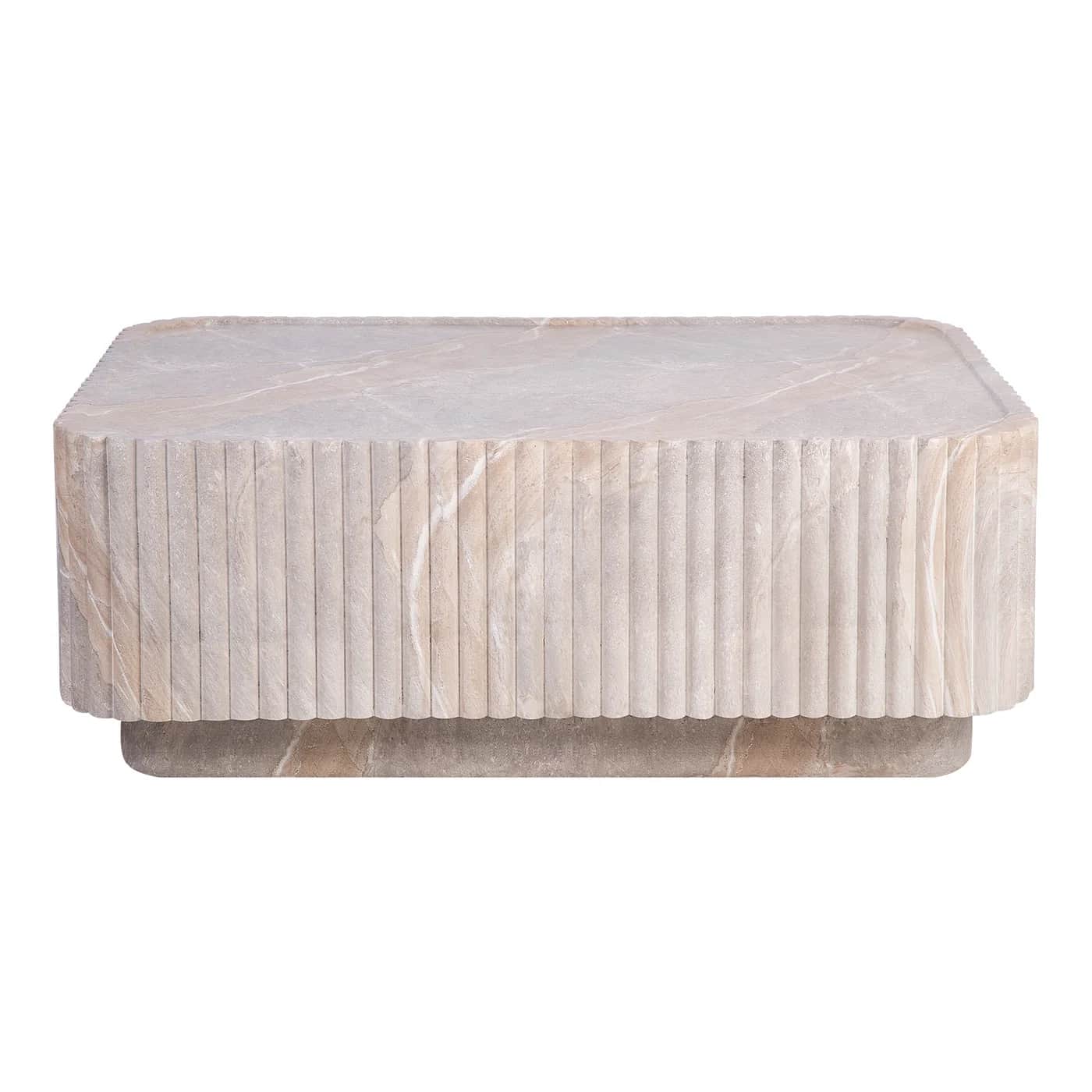
A low, rectangular coffee table crafted entirely from natural marble.…
Textures
GLBOBJSKPBLEND
32
0 likes, 0 saves
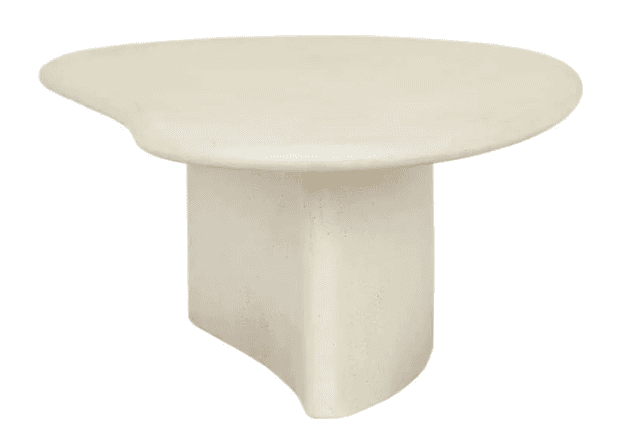
An off-white, sculptural coffee table featuring an organic, irregular-…
Textures
GLBOBJSKPBLEND
13
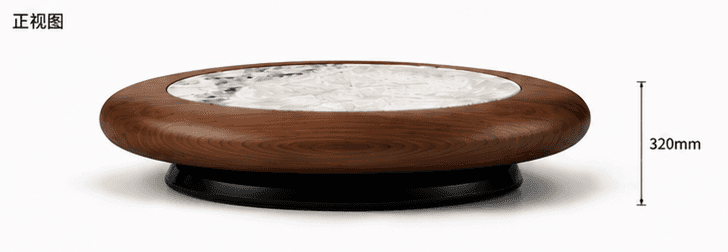
1 likes, 1 saves
A round coffee table featuring a warm, dark wood-grain exterior and a…
Textures
GLBOBJSKPBLEND
1211
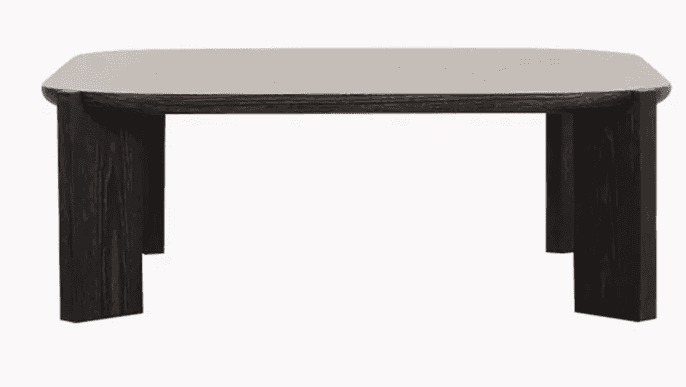
0 likes, 0 saves
A modern coffee table featuring a rectangular top with gently rounded…
Textures
GLBOBJSKPBLEND
16
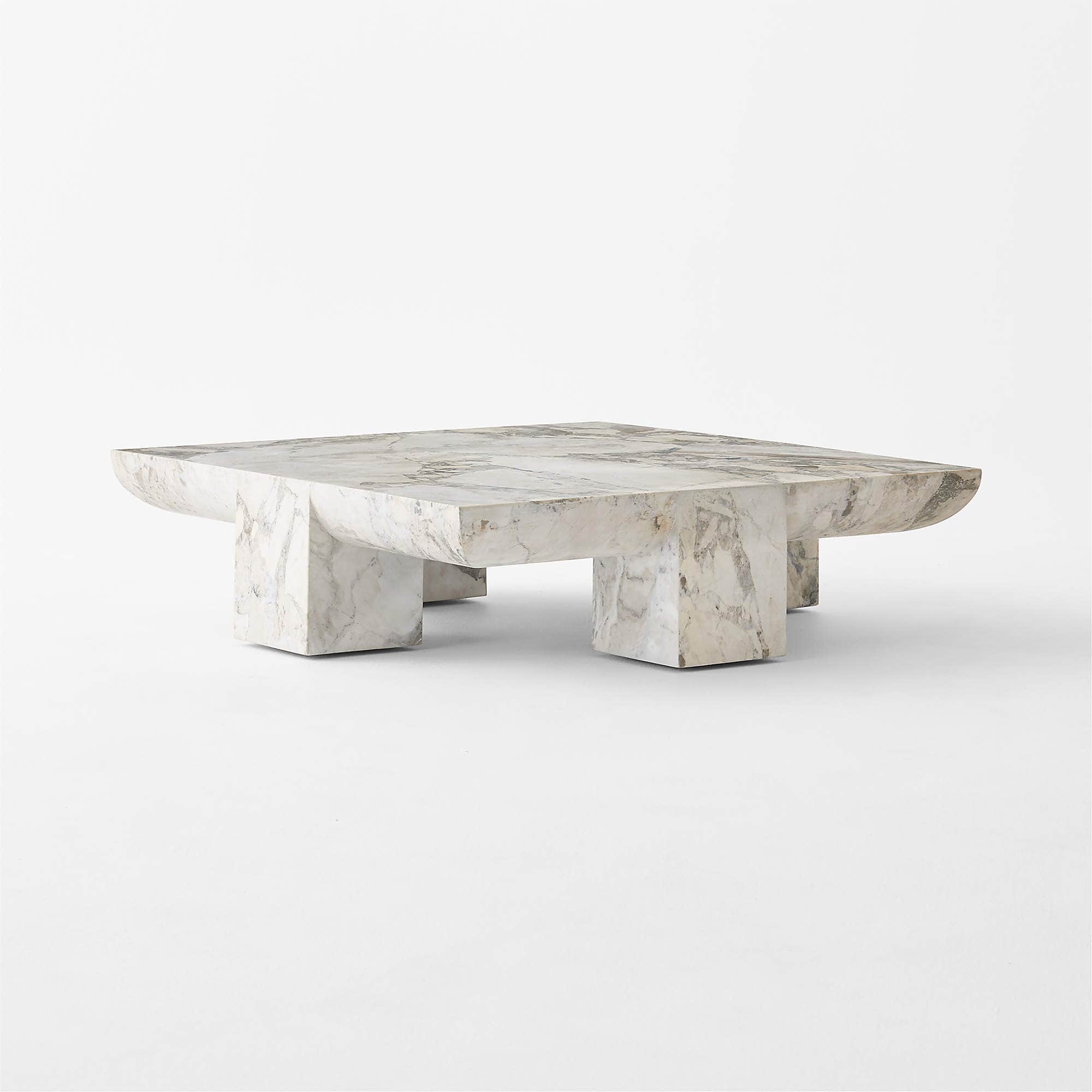
1 likes, 1 saves
A square, low-profile coffee table constructed entirely from a light-c…
Textures
GLBOBJSKPBLEND
24217511
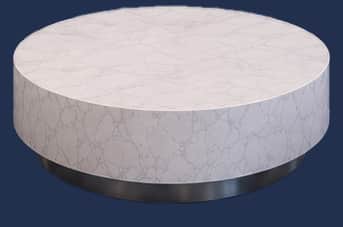
1 likes, 0 saves
A low-profile, cylindrical coffee table featuring a white surface with…
Textures
GLBOBJSKPBLEND
1551
0 likes, 1 saves
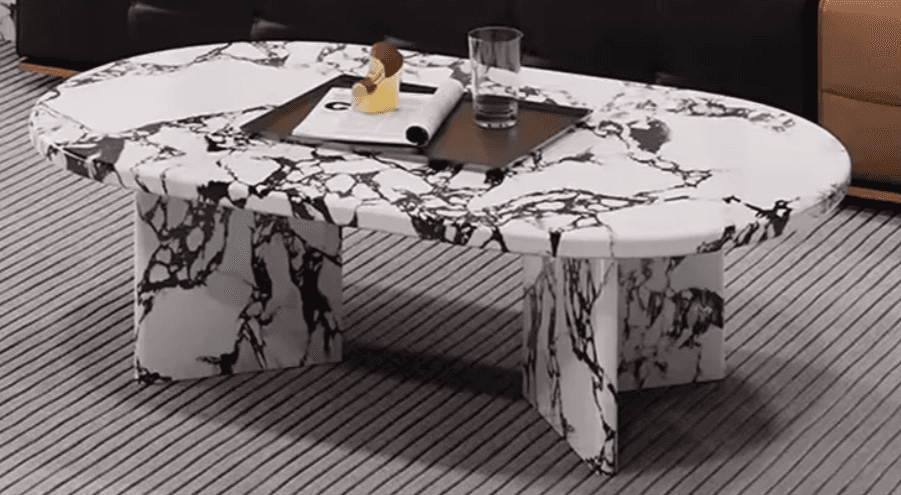
An oval-shaped coffee table with a marble-patterned top and base. The…
TexturesAI-enhanced
GLBOBJSKPBLEND
1881
Frequently asked questions
- What are the typical dimensions of a table like this?
- A multi-level coffee table of this design typically has a primary surface around 40-50 inches (100-125 cm) in length, with heights ranging from 15-20 inches (38-50 cm) for the main top and 20-25 inches (50-63 cm) for elevated tiers.
- What materials are commonly used to achieve this finish?
- This monolithic, matte finish is commonly achieved using composite materials such as plaster, concrete, micro-cement, or resin, which allow for seamless, sculpted forms and a smooth, uniform surface texture.
- How does the multi-level design enhance functionality?
- The multi-level design provides distinct surfaces at different heights, allowing for organized display of various items without cluttering the main tabletop. It also creates visual depth and interest, contributing to the overall aesthetic.