
Our AI enhances and isolates the source photo before generating the 3D model.
Don't see exactly what you need?
Generate your own 3D model from a photo
Upload any furniture photo and FurniMesh's AI returns a textured 3D model in under 60 seconds — same armchair style, your exact piece. No 3D skills required. Outputs native GLB, OBJ, SKP, and BLEND.
3 free generations · no credit card · 45–60 seconds per model
Already modeling in 3D? Render your 3D scene with AI →
Related armchair 3D models
1 likes, 0 saves
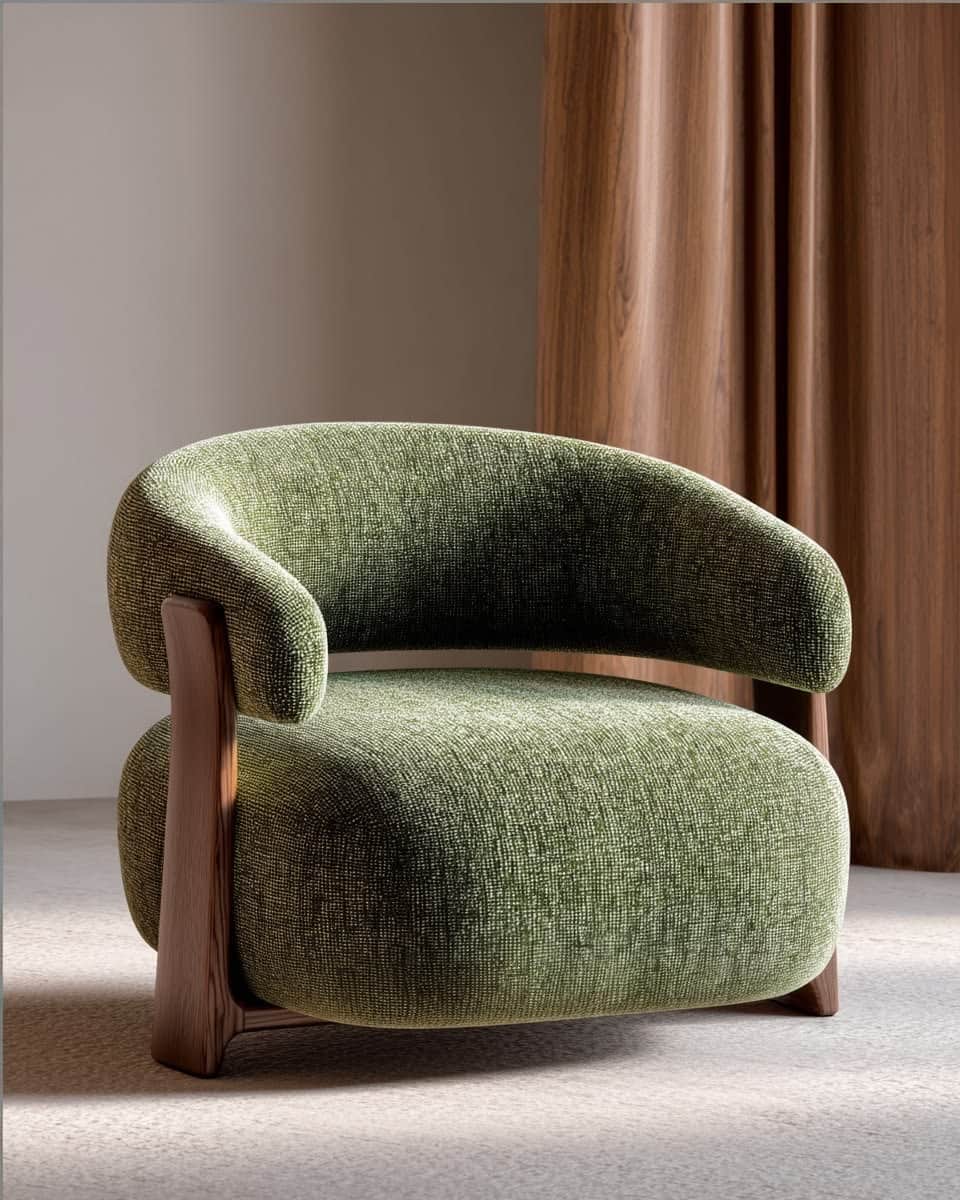
A contemporary lounge chair featuring a distinctive curved, fully upho…
TexturesAI-enhanced
GLBOBJSKPBLEND
1341321

0 likes, 0 saves
A dark-colored wrought iron armchair featuring a distinctive lattice p…
Textures
GLBOBJSKPBLEND
7
0 likes, 0 saves
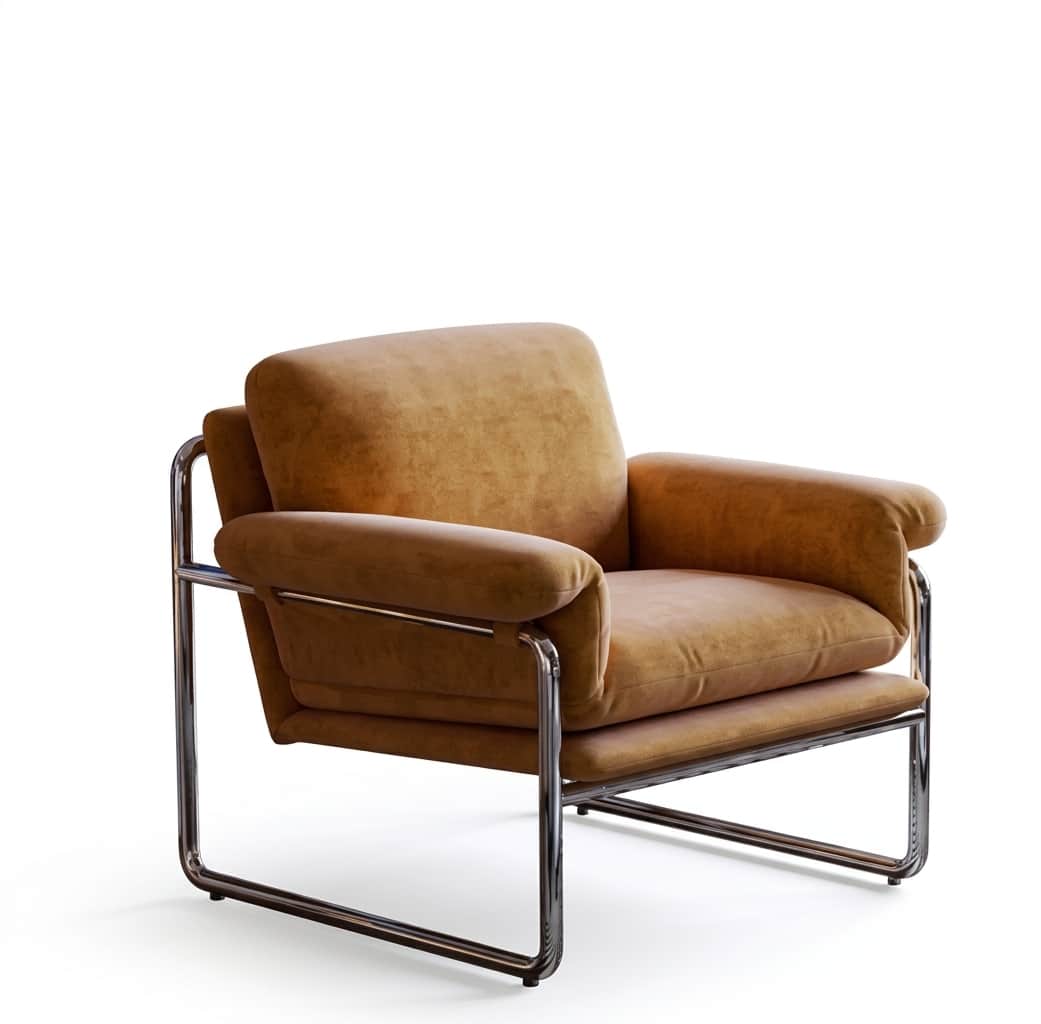
A modern lounge chair featuring a polished tubular chrome frame and pl…
Textures
GLBOBJSKPBLEND
25
0 likes, 0 saves
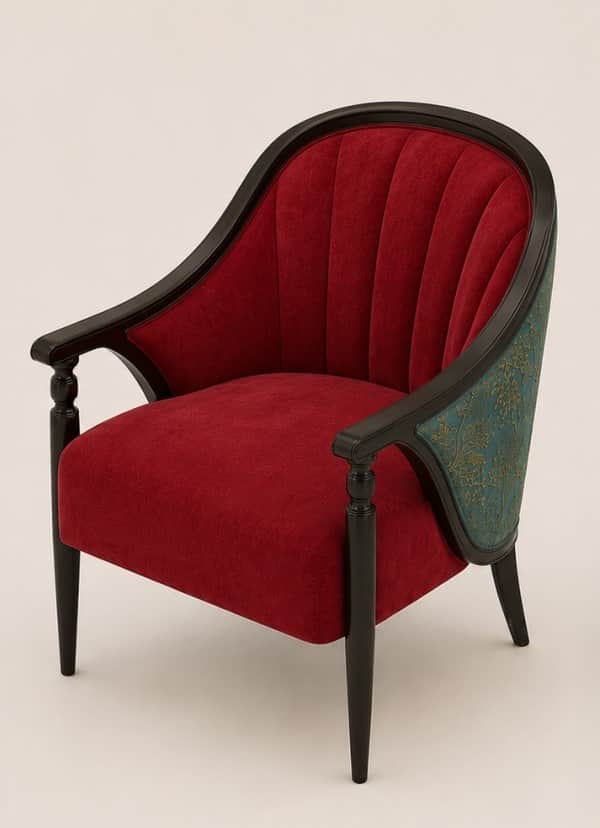
An elegant armchair featuring a curved barrel-shaped back. The interio…
Textures
GLBOBJSKPBLEND
110108
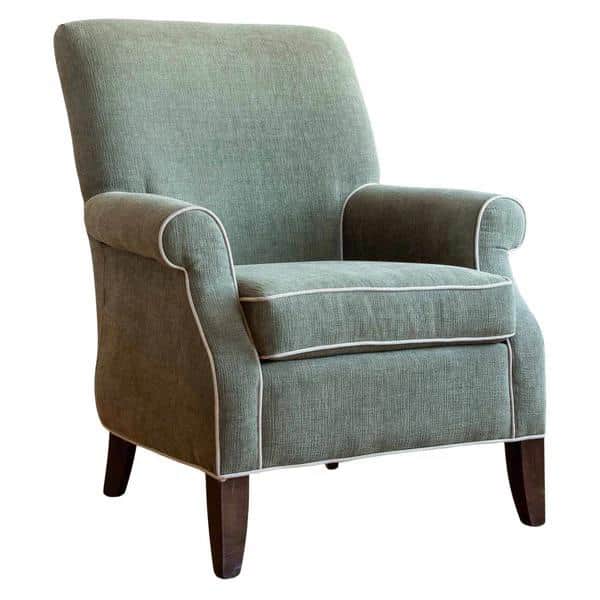
0 likes, 0 saves
An upholstered armchair featuring a high back, classic rolled arms, an…
Textures
GLBOBJSKPBLEND
2
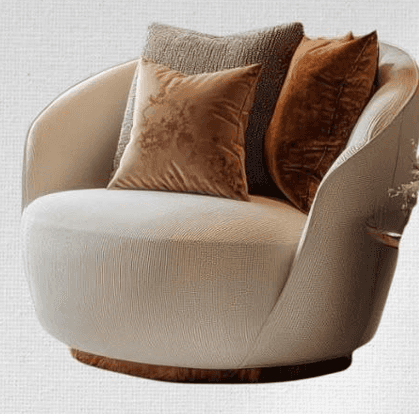
0 likes, 0 saves
A contemporary, fully upholstered swivel lounge chair featuring a roun…
TexturesAI-enhanced
GLBOBJSKPBLEND
37
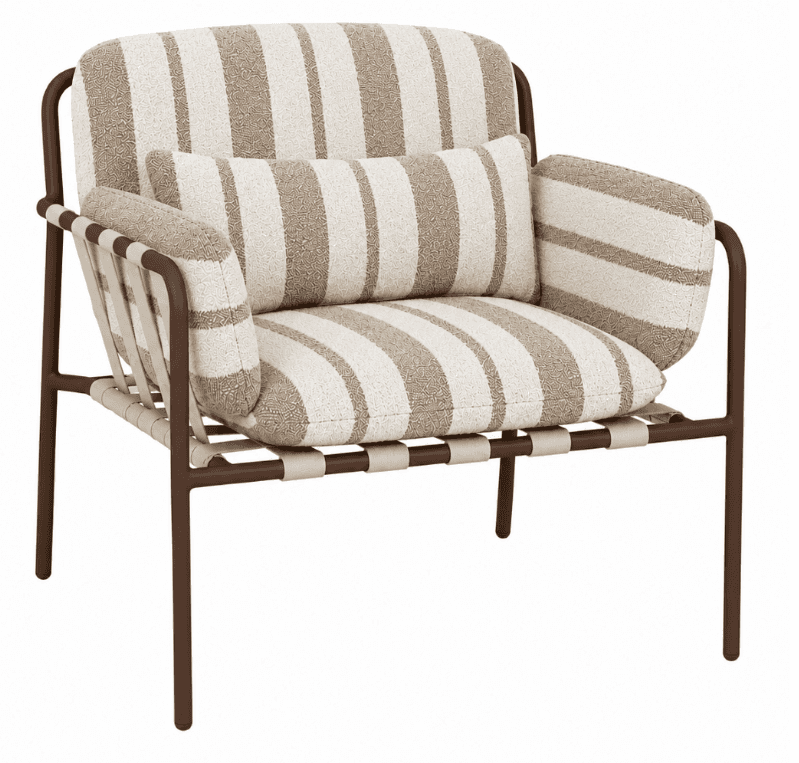
1 likes, 0 saves
A modern lounge chair featuring a sturdy dark brown tubular metal fram…
TexturesAI-enhanced
GLBOBJSKPBLEND
91
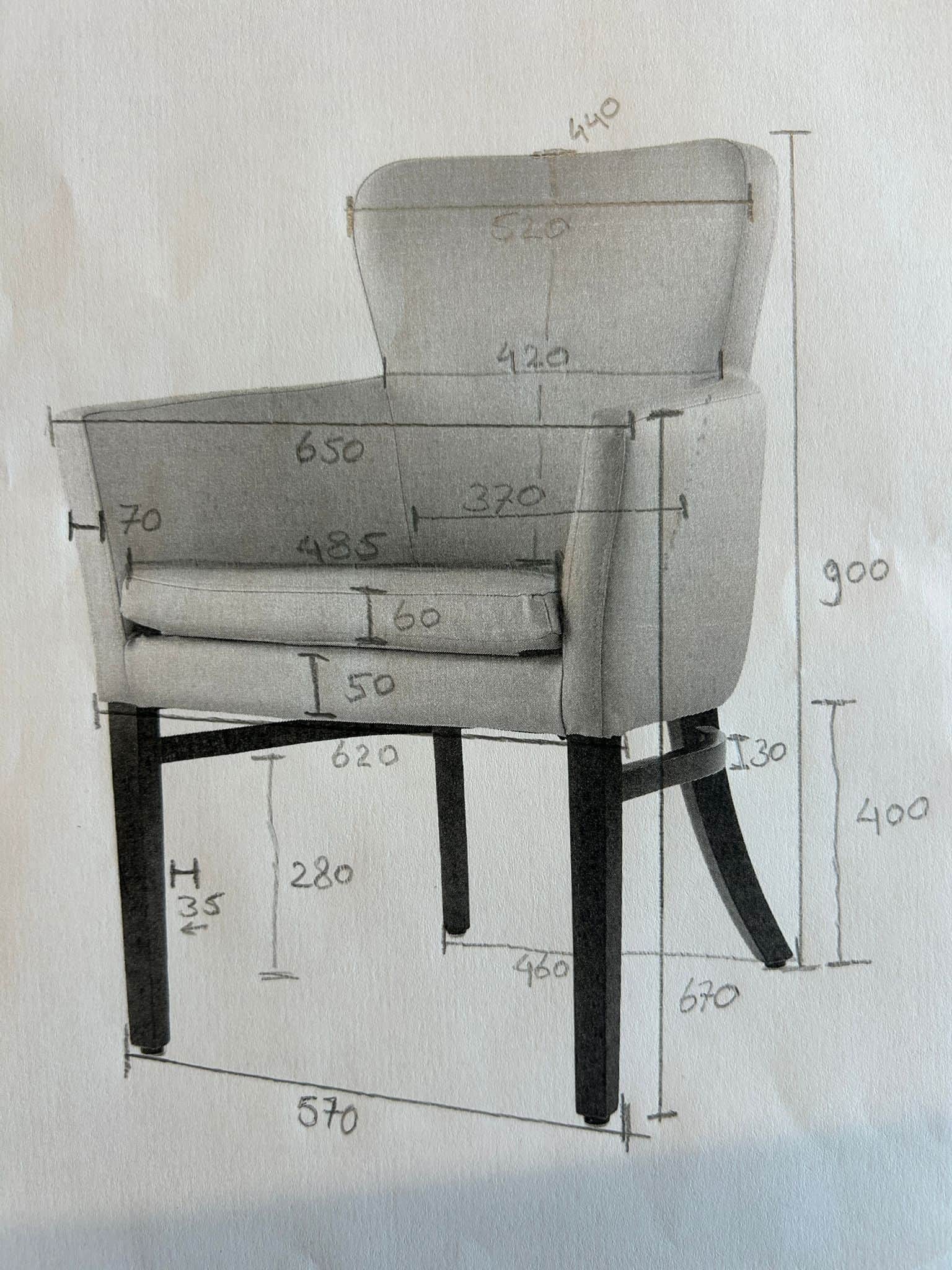
1 likes, 0 saves
A detailed drawing of an upholstered armchair with various dimensions…
Textures
GLBOBJSKPBLEND
21
Frequently asked questions
- What is the primary material used for the upholstery?
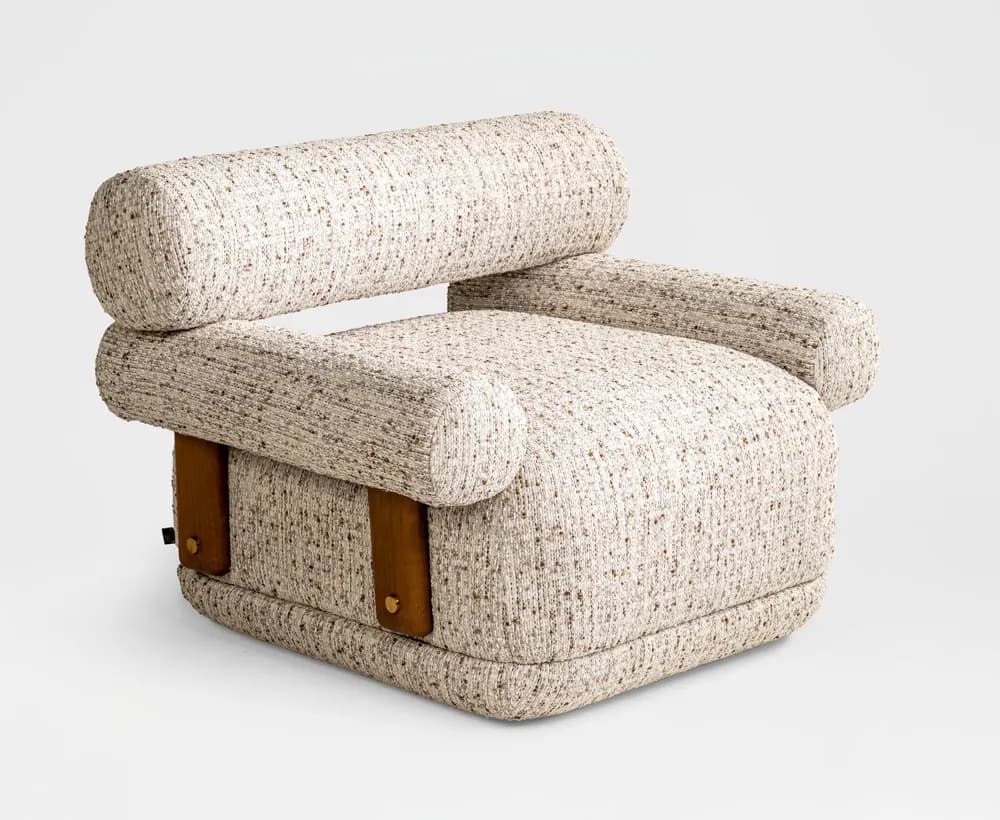
- The primary material is a textured fabric, likely a blend, featuring a light base color with speckled brown or dark flecks, resembling a tweed or bouclé textile.
- Are the bolster cushions removable or adjustable?
- The bolster cushions for the back and arms appear to be integrated into the design, secured by visible straps, suggesting they are fixed in position rather than easily removable or adjustable.
- What is the typical design era for a chair with this aesthetic?
- Chairs with this chunky form, modular-inspired elements, and visible hardware often align with Postmodern design sensibilities, particularly from the 1970s to 1980s.