
Our AI enhances and isolates the source photo before generating the 3D model.
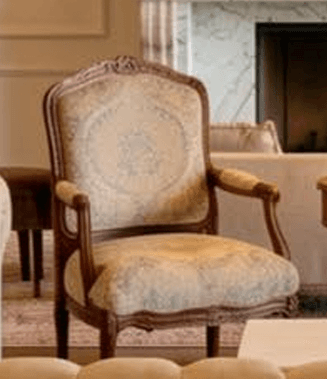
Don't see exactly what you need?
Generate your own 3D model from a photo
Upload any furniture photo and FurniMesh's AI returns a textured 3D model in under 60 seconds — same armchair style, your exact piece. No 3D skills required. Outputs native GLB, OBJ, SKP, and BLEND.
3 free generations · no credit card · 45–60 seconds per model
Already modeling in 3D? Render your 3D model →
Related armchair 3D models
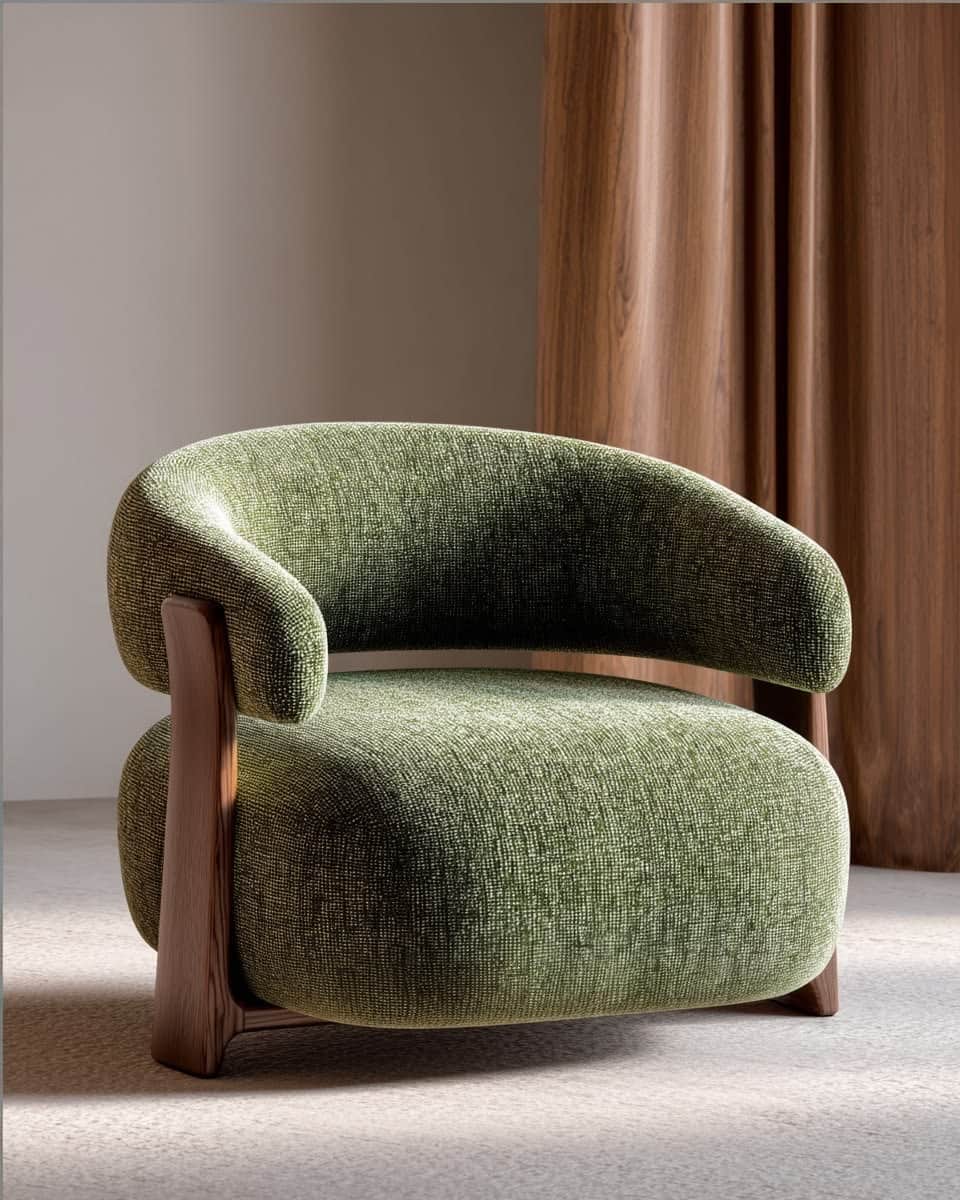
2 likes, 1 saves
A contemporary lounge chair featuring a distinctive curved, fully upho…
TexturesAI-enhanced
GLBOBJSKPBLEND
45640821
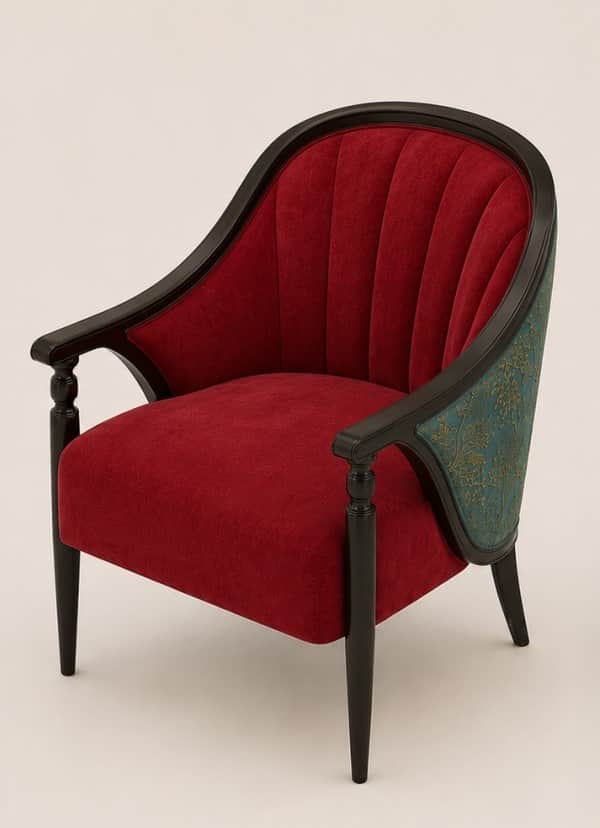
0 likes, 0 saves
An elegant armchair featuring a curved barrel-shaped back. The interio…
Textures
GLBOBJSKPBLEND
180179
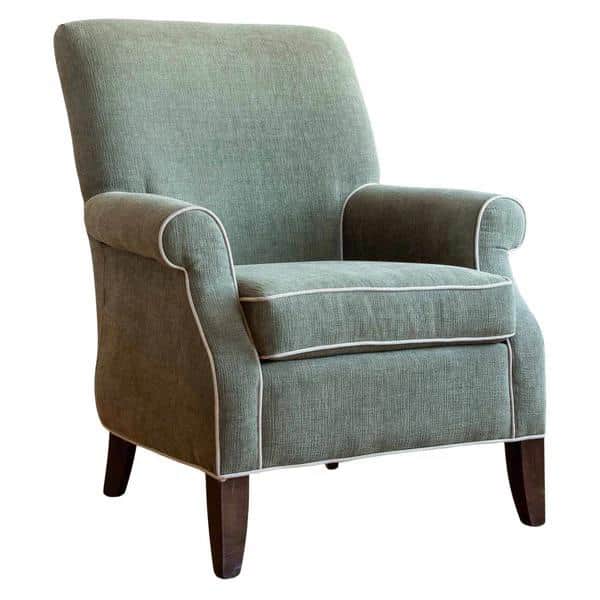
0 likes, 0 saves
An upholstered armchair featuring a high back, classic rolled arms, an…
Textures
GLBOBJSKPBLEND
10
1 likes, 1 saves
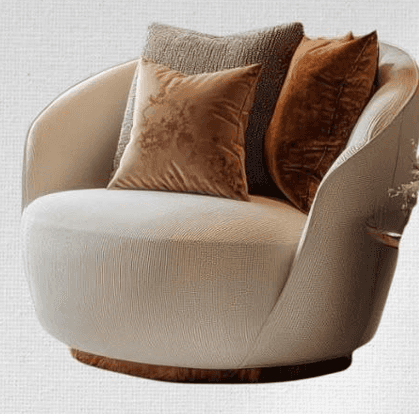
A contemporary, fully upholstered swivel lounge chair featuring a roun…
TexturesAI-enhanced
GLBOBJSKPBLEND
6911
1 likes, 0 saves
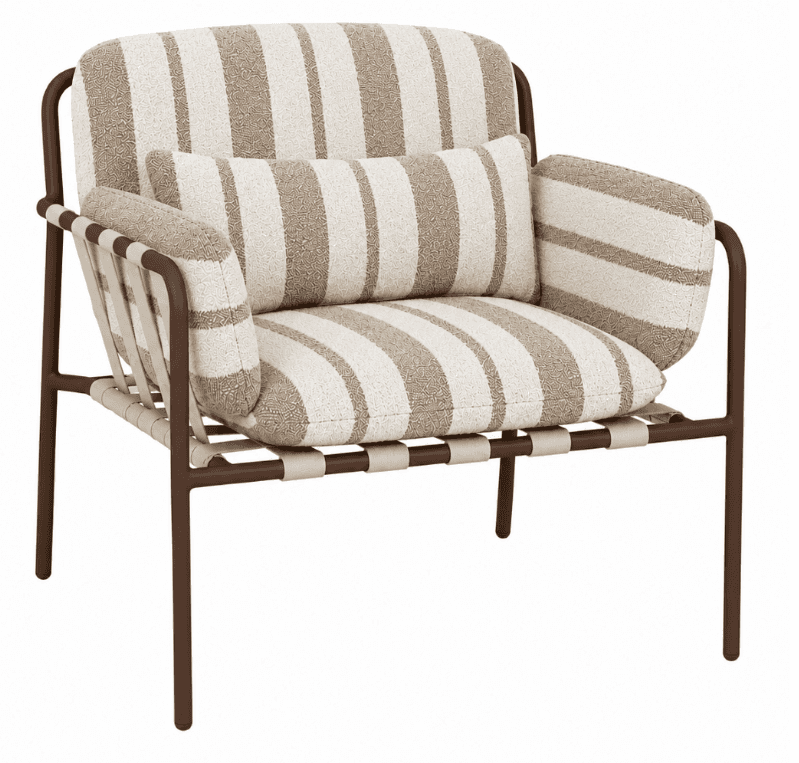
A modern lounge chair featuring a sturdy dark brown tubular metal fram…
TexturesAI-enhanced
GLBOBJSKPBLEND
141
1 likes, 0 saves
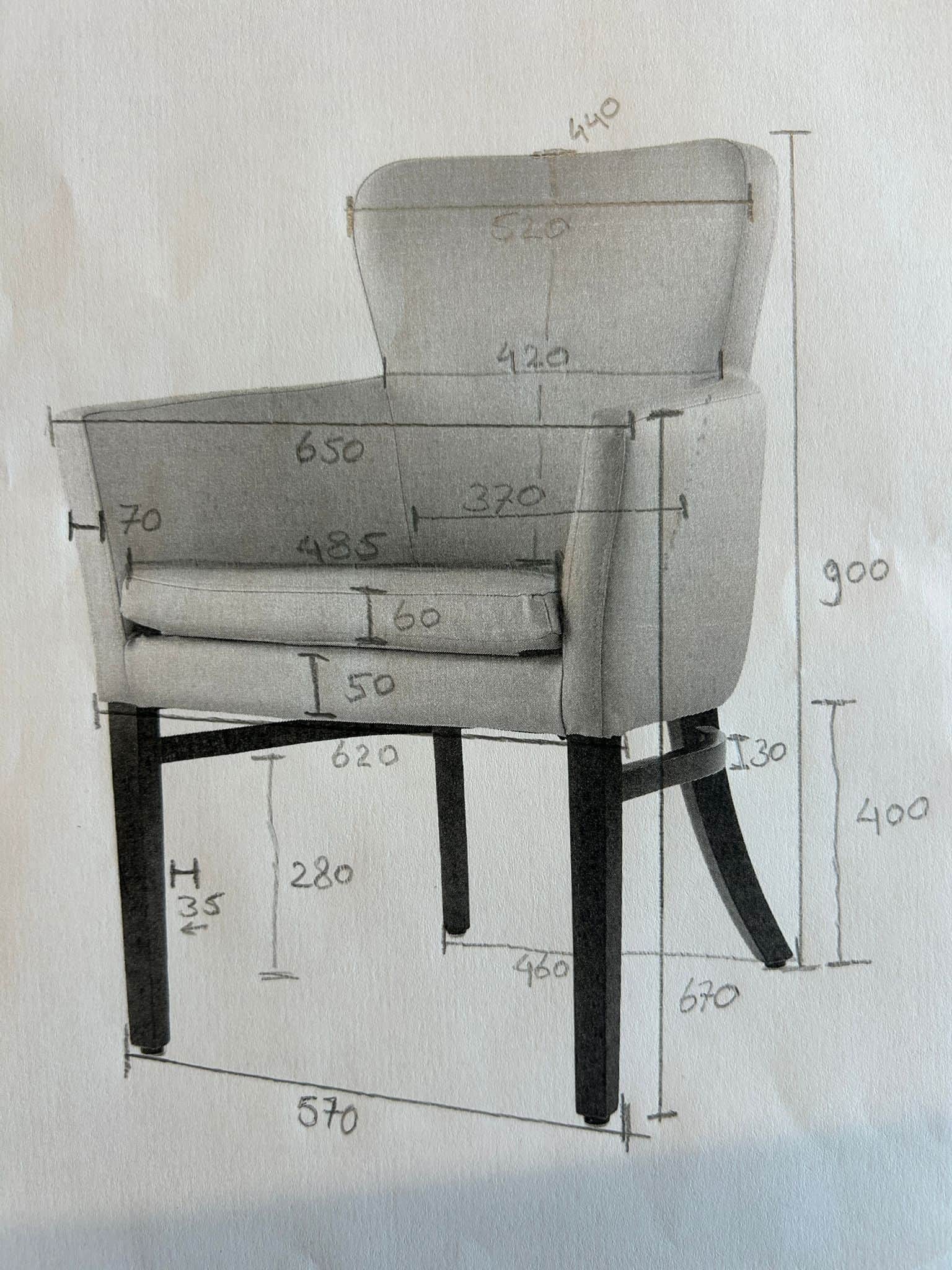
A detailed drawing of an upholstered armchair with various dimensions…
Textures
GLBOBJSKPBLEND
31
0 likes, 0 saves
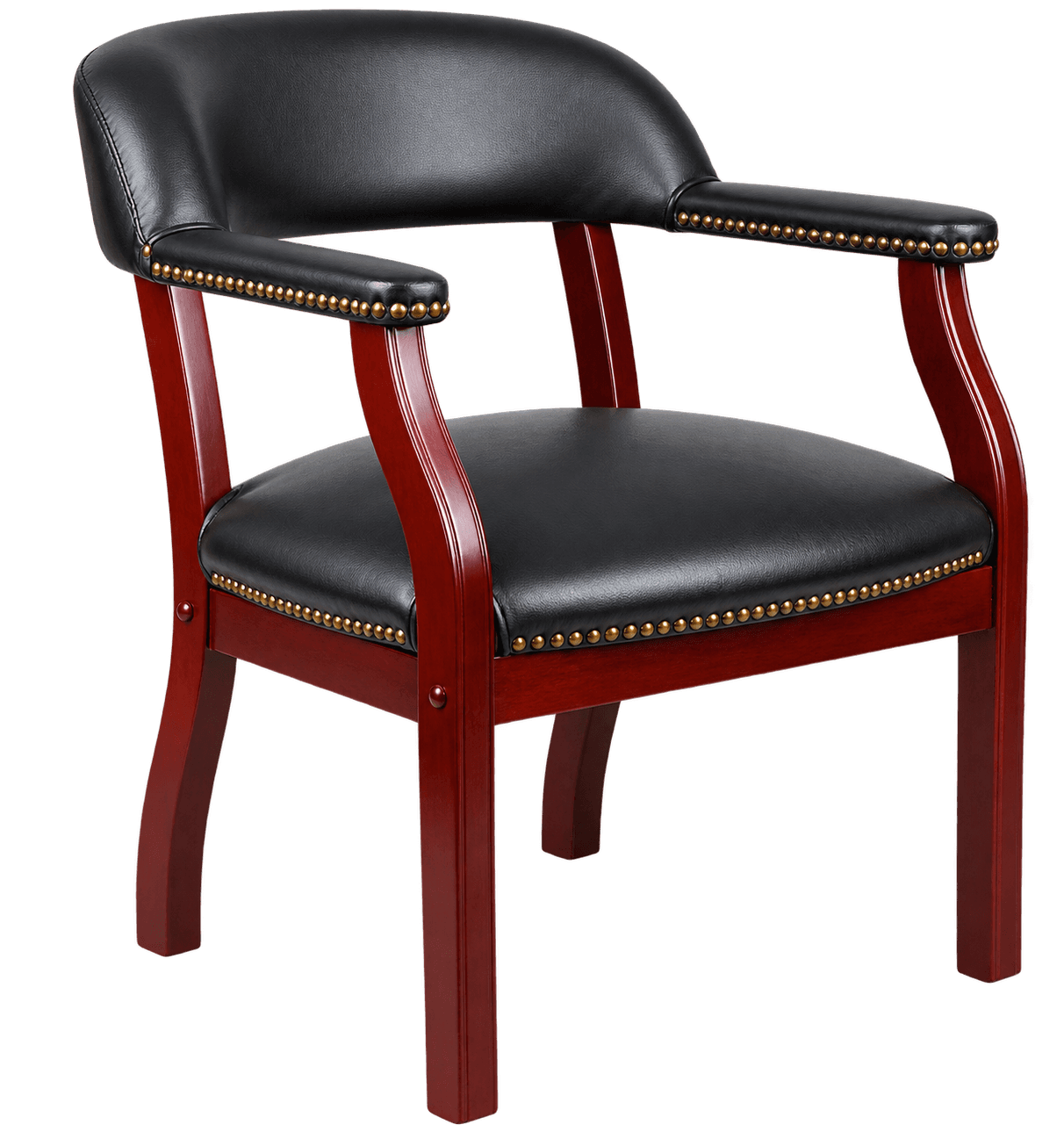
A traditional style armchair featuring a rich reddish-brown wood frame…
Textures
GLBOBJSKPBLEND
2
0 likes, 0 saves
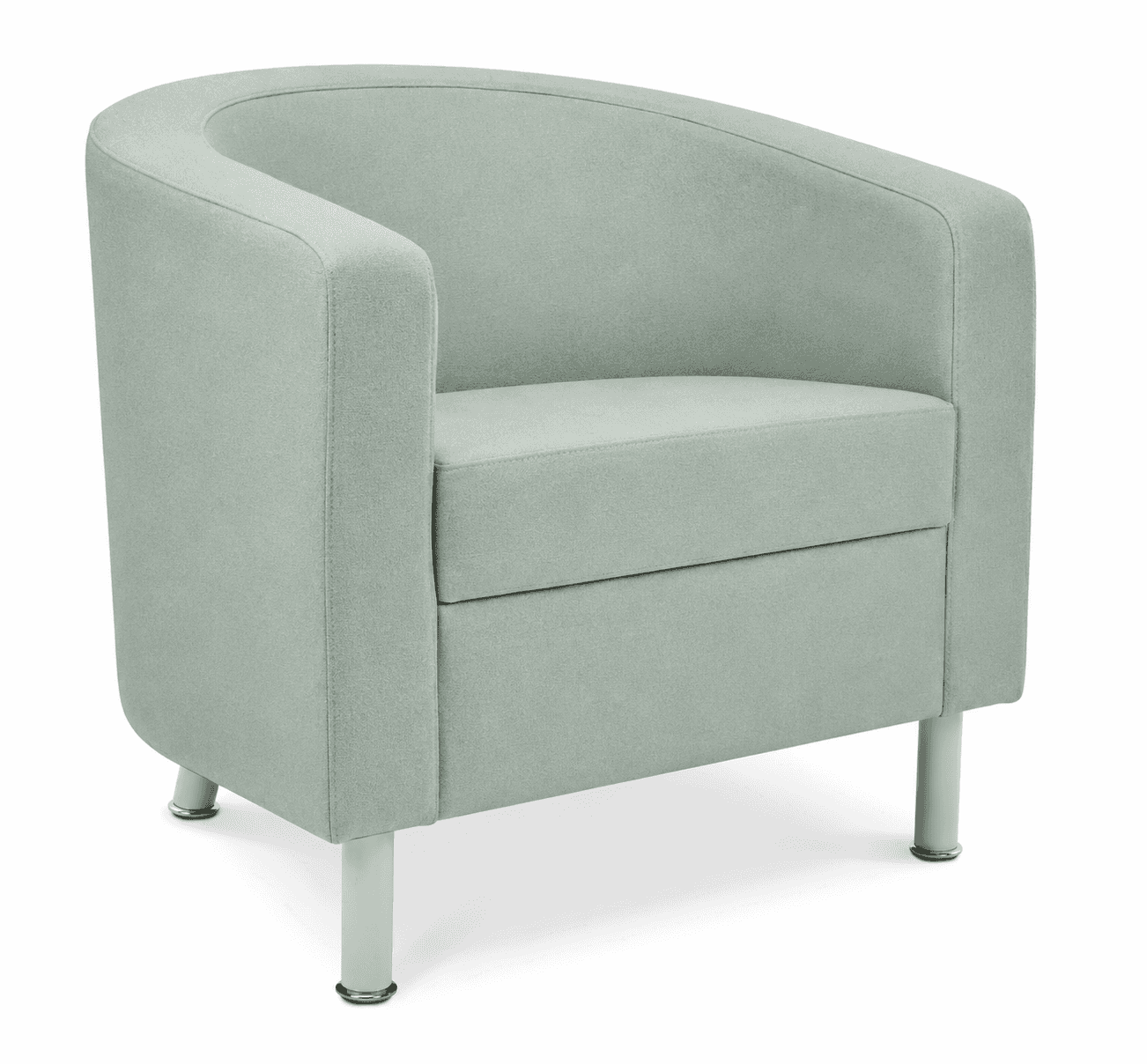
A contemporary upholstered barrel armchair featuring a continuous curv…
Textures
GLBOBJSKPBLEND
9
Frequently asked questions
- What kind of wood is typically used for this style of armchair?
- French Provincial armchairs are typically crafted from solid hardwoods such as walnut, oak, or cherry, often finished to emphasize the wood grain and carved details.
- Is the upholstery fabric removable for cleaning?
- The upholstery on this type of armchair is typically fixed to the frame, meaning it is not designed to be easily removed for cleaning. Professional upholstery cleaning is usually recommended.
- What are cabriole legs and their historical origin?
- Cabriole legs are S-shaped or double-curved legs that typically terminate in a decorative foot. They originated in late 17th-century France and were popularized during the Rococo and Queen Anne periods, mimicking animal legs.