
Our AI enhances and isolates the source photo before generating the 3D model.
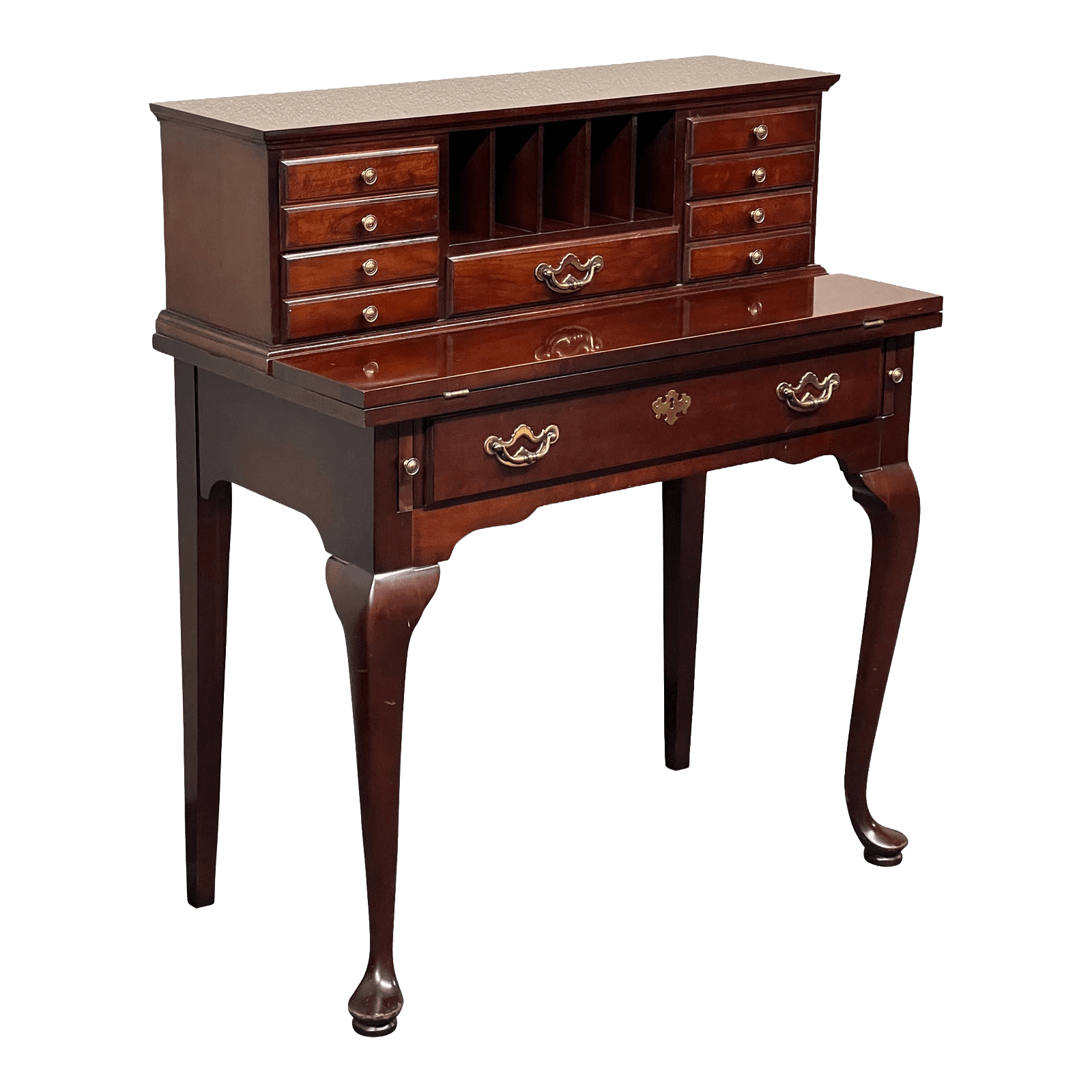
Don't see exactly what you need?
Generate your own 3D model from a photo
Upload any furniture photo and FurniMesh's AI returns a textured 3D model in under 60 seconds — same desk style, your exact piece. No 3D skills required. Outputs native GLB, OBJ, SKP, and BLEND.
3 free generations · no credit card · 45–60 seconds per model
Related desk 3D models
0 likes, 0 saves
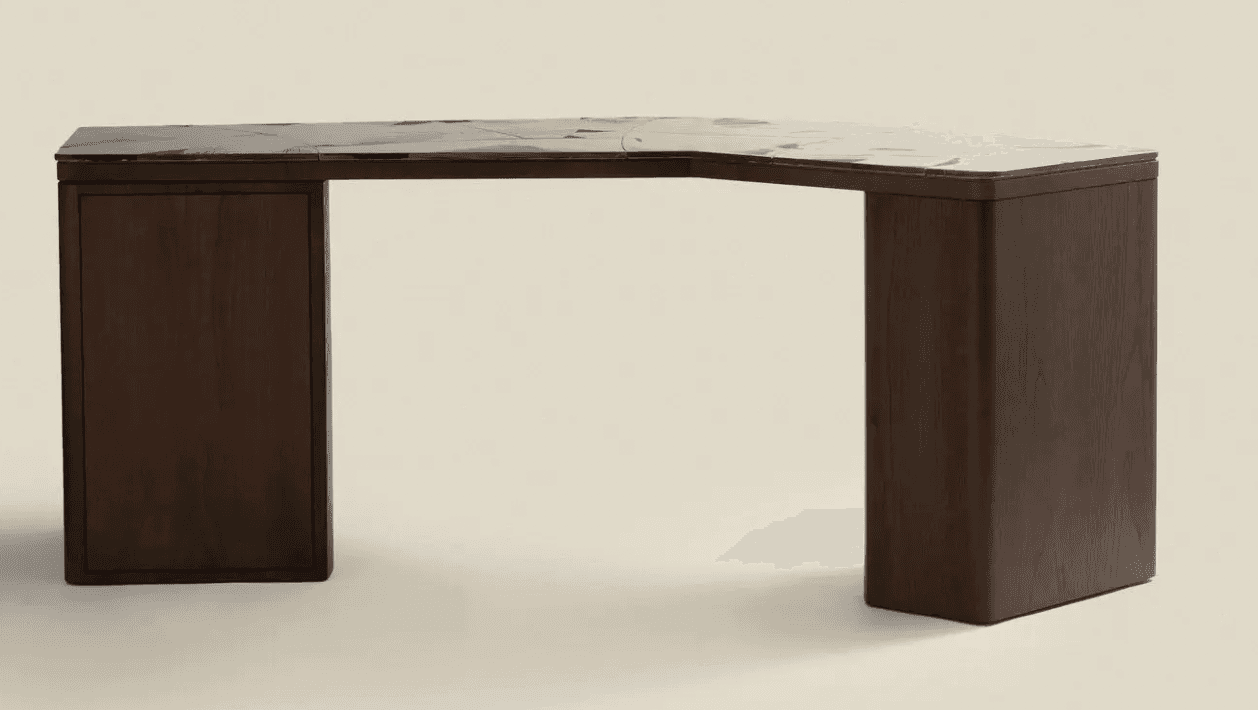
A dark wood corner desk with a marble-patterned top. The desk has a di…
Textures
GLBOBJSKPBLEND
10
0 likes, 0 saves
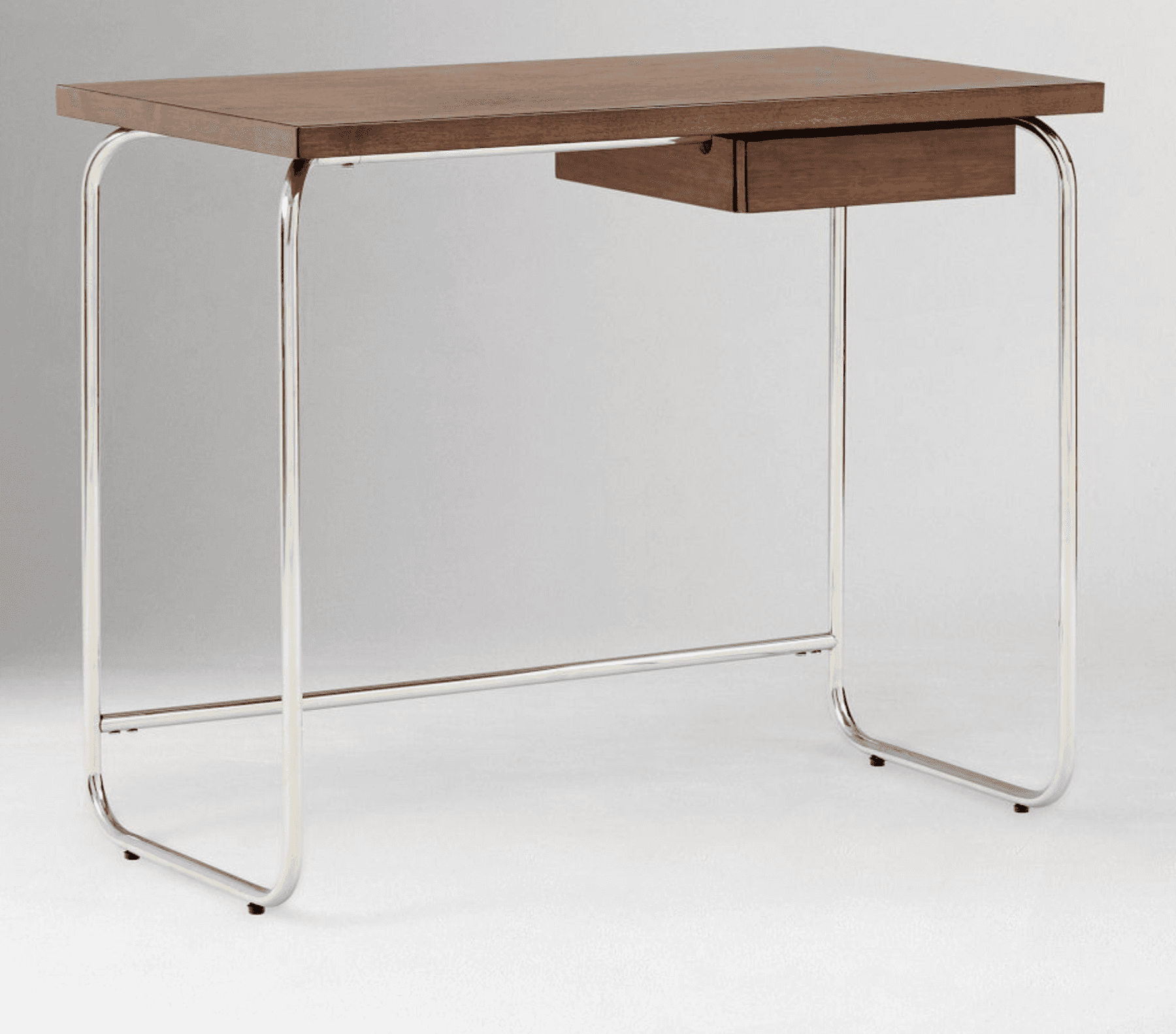
A modern desk with a rectangular wooden top and a single drawer. The f…
Textures
GLBOBJSKPBLEND
6
0 likes, 0 saves
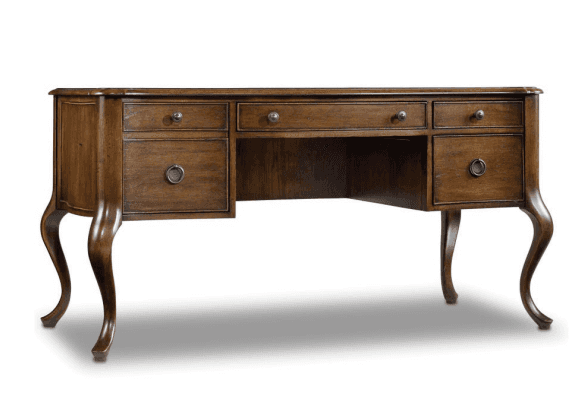
A wooden executive desk with a polished finish. It features a rectangu…
Textures
GLBOBJSKPBLEND
2
0 likes, 0 saves
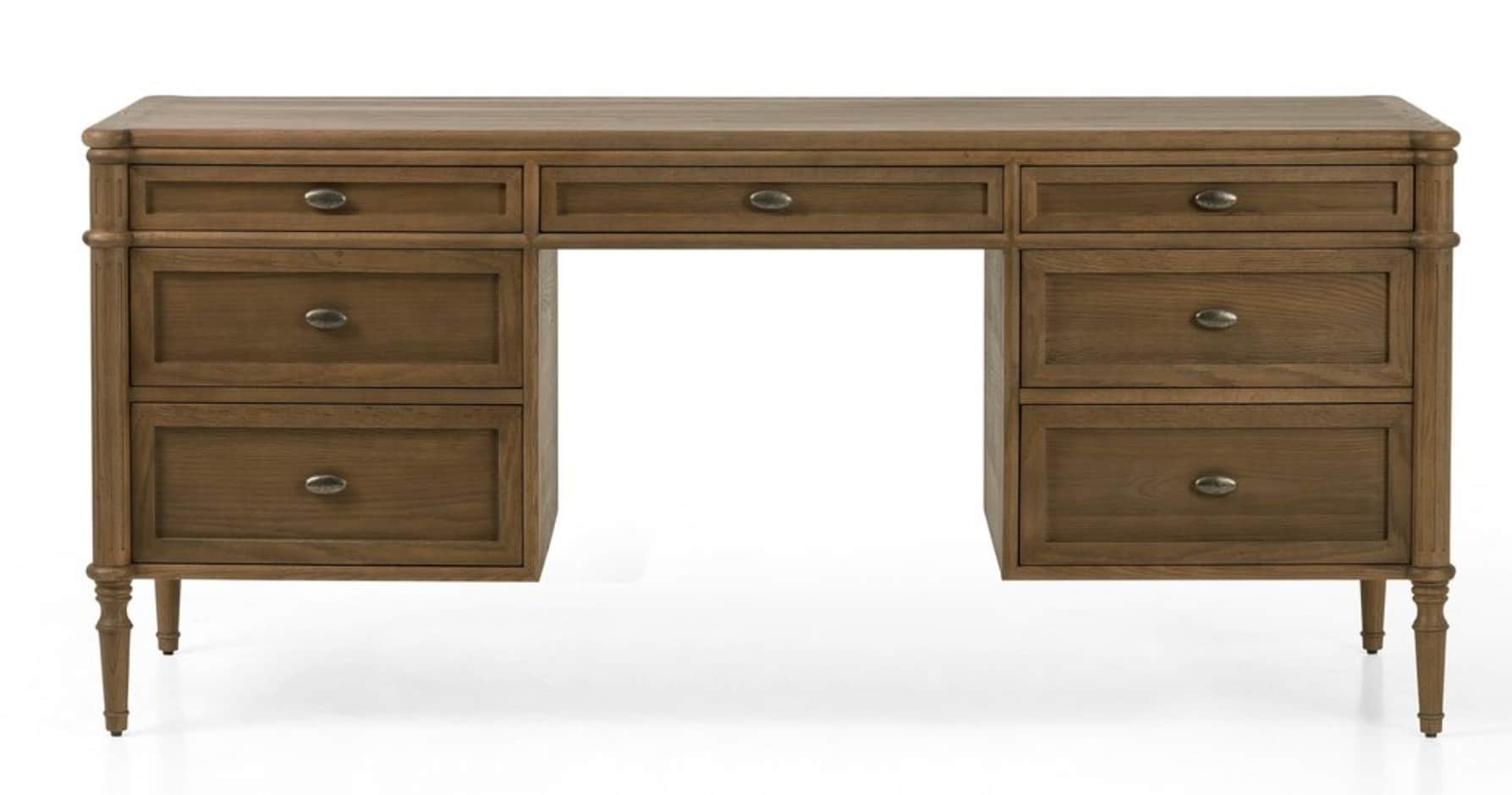
A wooden desk with a rectangular top, featuring seven drawers. Three d…
Textures
GLBOBJSKPBLEND
0 likes, 0 saves
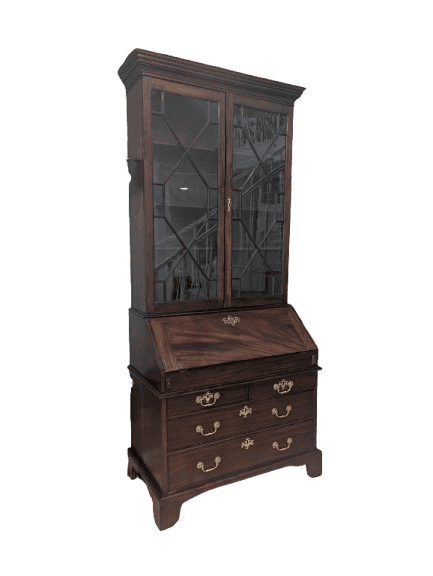
A dark wood secretary desk with a glass-fronted upper cabinet. The upp…
Textures
GLBOBJSKPBLEND
0 likes, 0 saves
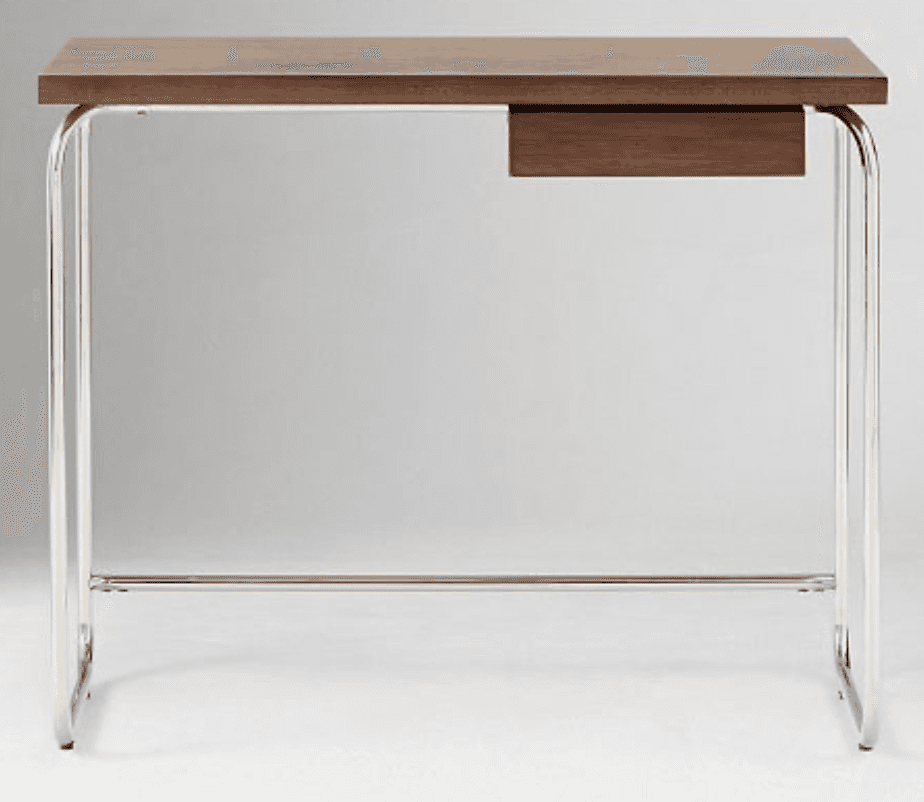
A modern desk with a wooden top and a single drawer, supported by a ch…
Textures
GLBOBJSKPBLEND
2
0 likes, 0 saves
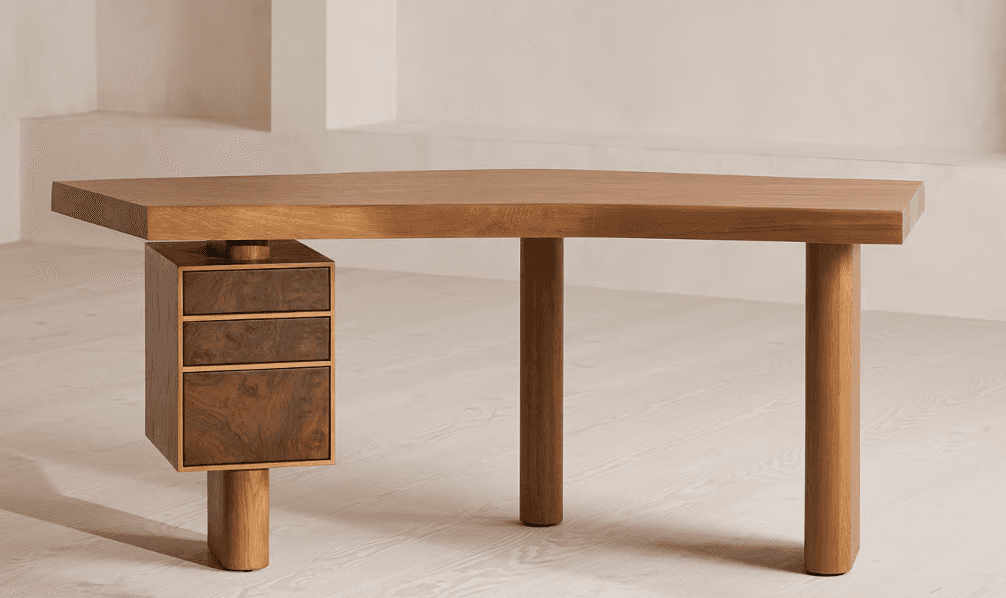
A modern desk featuring an asymmetrical, thick wooden top supported by…
Textures
GLBOBJSKPBLEND
0 likes, 0 saves
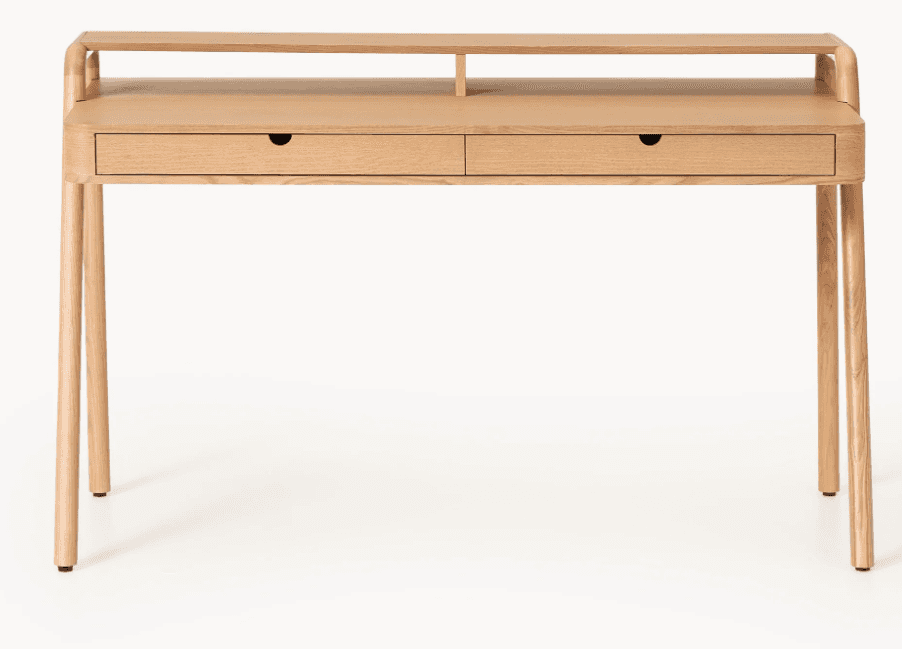
A minimalist wooden desk with a natural finish. It features a dual-tie…
Textures
GLBOBJSKPBLEND
3
Frequently asked questions
- What type of wood is typically used for a secretary desk of this style?
- Secretary desks of this traditional colonial style are commonly constructed from mahogany, cherry, or walnut, or veneers over a solid wood frame. These woods are favored for their durability, fine grain, and rich, deep color when polished.
- Is the top hutch section removable from the base?
- Yes, on many traditional secretary desks, the upper hutch or cabinet section is designed to be a separate piece that sits atop the lower desk section, allowing for easier transport and versatility in arrangement. This appears to be a common design element for such pieces.
- What is the primary function of the small drawers and cubbies in the upper section?
- The small drawers and open cubbies within the hutch are designed for organizing and storing various stationery items, letters, bills, inkwells, quills, and other small office supplies, providing a structured and accessible workspace when the writing surface is open.